How to Choose the Best Packaging Box for Gifts
Choosing the right gift box is about more than appearance. It should protect the item, fit the occasion, and feel thoughtful when opened. A Packaging Box Gift that looks elegant but lets a ceramic cup rattle inside has missed an important detail. Start with the gift itself: measure its length, width, and height, then allow room for tissue or a snug insert. Check the weight, too. A thin folding carton may suit a scarf, while a rigid box can offer better support for a heavier keepsake. Small details matter.
Material and presentation shape the recipient’s first impression. Kraft paper can feel warm and understated; a smooth coated finish may look more formal. Consider how the box will travel. A gift carried across town has different needs from one shipped in a larger parcel. Closures, corners, and inserts should keep the contents steady without making the box difficult to open. Practical wins.
Personal touches, such as a ribbon, printed note, or restrained color choice, can make plain packaging feel considered. Yet decoration is not always an improvement. Too much filler can crowd a small item, and a glossy finish may not suit every recipient. There is no perfect choice for every gift, and that is worth remembering. Compare size, protection, material, cost, and appearance before deciding. This guide explores those choices so you can select a box that feels appropriate, works in real use, and presents the gift with care.
Define the Gift’s Size, Weight, Recipient, and Budget
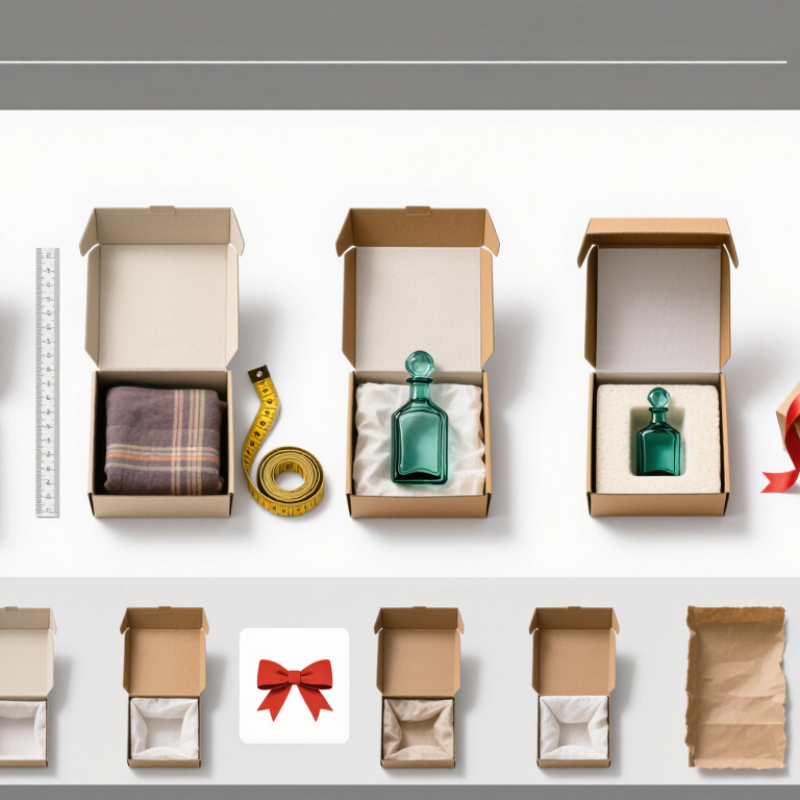
Start with the gift itself, not the box display. Measure its length, width, and height, then allow room for tissue or a fitted insert. A ceramic mug needs padding around its handle; a soft scarf can sit in a shallower box. Weigh the packed gift, too. Thin card may suit a light item, while heavier gifts need a sturdier board and a secure base. Measure twice. A box that is too large wastes filler and can let items shift in transit.
Consider who will open it and what your budget can support. A child may value easy-to-open packaging; a formal recipient may appreciate crisp folds and a neat ribbon. McKinsey’s 2023 global consumer survey reported that more than 60% of respondents would pay more for sustainable packaging. That preference can guide material choices, but it does not make every premium option worthwhile. The U.S. EPA’s 2018 Advancing Sustainable Materials Management report found that containers and packaging made up 28.1% of municipal solid waste. Reusing a well-sized box may be a practical choice. Compare the total cost, including inserts, decoration, and shipping protection. A perfect fit can still look plain; that trade-off deserves a second look.
How to Choose the Best Packaging Box for Gifts
Compare example box capacity with the gift’s bounding volume. Each example gift allows about 1 cm of clearance on every side.
Volumes are calculated from the example interior dimensions shown below; actual fit depends on the gift’s shape and protective wrapping. Before choosing, check the gift’s dimensions and weight against the box’s specifications, consider the recipient and presentation, and balance protection with your budget.
Match Box Shape and Fit to the Gift’s Fragility and Presentation
A gift box should hold the item firmly without pressing on its most fragile points. For a ceramic cup, choose a box with room for a protective sleeve and cushioning beneath the base. Keep handles away from the walls. A flat gift, such as a framed print, needs a shallow, rigid box that resists bending. Shape matters, too: a long box can prevent a bottle from rolling, while a square box often presents a small keepsake more neatly. Snug, not squeezed.
ISTA’s 3A procedure evaluates parcel packages under hazards such as vibration, shock, and compression. Use that as a practical reminder: a gift may look secure on a table but shift during delivery. Test the packed box by gently tilting it; noticeable movement calls for better-fitting inserts, not simply more loose filler. That fix is imperfect, though. Too much cushioning can make the gift harder to unwrap and waste space.
Right-sizing also limits excess material. The U.S. EPA’s 2018 Facts and Figures report says containers and packaging made up 28.1% of U.S. municipal solid waste generation that year. Choose a box that leaves enough room for protection, but not a large empty cavity. A little measuring helps: note the gift’s widest points, then allow space for padding on every side. Gift presentation should feel intentional, not like the item is lost in its box.
Compare Materials: AF&PA Reports 93.6% U.S. Corrugated Recycling in 2022
How to Choose the Best Packaging Box for Gifts
When comparing gift boxes, look beyond appearance. Corrugated board offers cushioning, stackability, and a useful recovery record. The American Forest & Paper Association reported that 93.6% of U.S. corrugated boxes were recycled in 2022. That figure supports corrugated’s circularity, but it does not mean every gift box will be recycled. Local collection rules, coatings, tape, and food residue can affect the outcome. A clean, dry box is more likely to fit standard paper-recycling streams.
The U.S. Environmental Protection Agency reported a 68.2% recycling rate for all paper and paperboard in 2018. The broader category includes products beyond gift packaging, so it is not a direct comparison with corrugated. Still, it offers useful context. For a heavier present, choose a sturdy corrugated box and add paper cushioning. For a small, lightweight gift, a folding paperboard box may use less material. Feel the corners. Check the fit. A box that is too large needs extra filler; one that is too tight can crush delicate edges. Decorative laminates may complicate recycling, and I would not assume a glossy box is accepted everywhere. The practical choice balances protection, material use, and what local programs actually collect.
Assess Environmental Impact: EPA Found Packaging Was 28.1% of U.S. MSW in 2018
The U.S. Environmental Protection Agency’s 2018 Advancing Sustainable Materials Management report estimated that containers and packaging made up 28.1% of U.S. municipal solid waste. That amounted to 82.2 million tons. The figure includes many types of packaging, not gift boxes alone, but it shows why a small choice can matter at scale.
The same report recorded 41.9 million tons of paper and paperboard packaging generated, compared with 14.5 million tons of plastic packaging. These are material totals, not a direct comparison of each material’s full environmental impact. A recycled-paper box can still be oversized or difficult to recycle if it has a plastic window, foil, or glued-on decoration. Details count.
For a gift, choose a box that fits snugly around the item; less empty space can mean less material and less filler. A sturdy, uncoated paperboard box is often easier to sort than a mixed-material design, though local recycling programs differ. Check the box and your local guidance before placing it in a bin. It’s not always obvious. A reusable box may also be practical, especially when its lid closes securely and the recipient can use it again. Perfect choices are rare; a little less packaging is still a meaningful start.
How to Choose the Best Packaging Box for Gifts — Assess Environmental Impact: EPA Found Packaging Was 28.1% of U.S. MSW in 2018
| Assessment Area |
Data or Comparison |
What It Means When Choosing a Gift Box |
| Packaging’s share of U.S. municipal solid waste (MSW) |
Containers and packaging accounted for 82.2 million tons, or 28.1% of total U.S. MSW generation, in 2018. |
Packaging is a substantial waste stream. Choose a box sized to the gift so it does not require unnecessary material or excessive void fill. |
| Packaging material recovered for recycling |
The EPA reported that 53.9 million tons of containers and packaging were recycled in 2018. |
Recycling can help recover materials, but the box and any attached components should be accepted by the recipient’s local recycling program. |
| Paperboard box |
Paper and paperboard are among the material categories tracked in the EPA’s packaging data. |
A practical option for many gifts. Prefer a box that is not unnecessarily coated or combined with materials that are difficult to separate; check local recycling guidance. |
| Plastic components |
Plastic packaging is included in the EPA’s containers-and-packaging accounting. |
Consider whether plastic windows, inserts, tape, or decorative coatings are necessary. Separating components may make disposal easier, but local acceptance varies. |
| Mixed-material construction |
Boxes may combine paperboard with plastic windows, foam inserts, magnets, ribbons, or metallic finishes. |
Prefer components that can be readily separated. A recyclable box does not mean every attached part is recyclable in the same local system. |
| Reuse potential |
Reuse is distinct from recycling; a sturdy box may be kept and used again before disposal. |
For gifts likely to be stored or regifted, choose durable construction and a design that can be opened without damaging the box. |
| Right-size and protection |
There is no single box size or material that is best for every gift; protection needs depend on the item. |
Use the smallest box that safely protects the gift. Fragile items may need cushioning, while sturdy items may need little or none. |
| Source |
U.S. Environmental Protection Agency (EPA), “Containers and Packaging: Product-Specific Data” and “Advancing Sustainable Materials Management: 2018 Fact Sheet.” |
EPA figures above refer to U.S. containers and packaging overall, not specifically to gift boxes. Recycling availability and rules vary by location. |
Test Protection, Shipping Costs, and Customization Before Ordering
A gift box should survive a drop, a corner impact, and a damp doorstep—not just look sturdy on a desk. Build a sample with the actual gift, tissue, and insert, then test it in a packed parcel. Shake it, drop it from several sides, and check for crushed corners, shifted contents, or scuffed finishes. The International Safe Transit Association’s transport-testing protocols offer useful guidance for simulating distribution hazards. A home test is not a certified test, though. That difference matters for fragile or high-value gifts.
Shipping cost can change with box size as well as weight, so compare packed samples using your carrier’s current rate rules. The U.S. Census Bureau reported $1.12 trillion in U.S. retail e-commerce sales for 2023, or 15.4% of total retail sales; even modest packaging inefficiencies can add up across frequent shipments. Keep the box snug, but leave room for protective cushioning. The U.S. Environmental Protection Agency’s 2018 materials report found packaging and containers made up 28.1% of municipal solid waste. Right-sizing can reduce excess material, though an overly tight fit may damage the gift.
Test customization before committing: print a short run and inspect color, folds, and any window or ribbon cutout. Ask for a physical proof, not only a screen preview. I would also compare two box sizes, even if one seems obviously better. Sometimes it isn’t. A small change in insert thickness can alter protection, postage, and the unboxing feel all at once.