China Best Box Packaging Solutions for Global Buyers?
In the evolving landscape of global commerce, "Box Packaging" has become a pivotal element for brands. Recent industry reports indicate that the global box packaging market is expected to reach $500 billion by 2025. This staggering growth is driven by the demand for sustainable packaging solutions and the rise of e-commerce. Companies are increasingly looking for effective ways to showcase their products while protecting them during transit.
China stands at the forefront of this packaging revolution. Its advanced manufacturing capabilities and robust supply chain make it a preferred choice for international buyers. However, not every solution is ideal for every product. Industry experts often highlight the importance of choosing the right materials and designs. For instance, various studies reveal that poorly designed packaging can lead to a 20% increase in return rates. This not only affects sales but also brand reputation.
Navigating the best options requires a keen understanding of market trends and consumer preferences. As businesses seek to enhance their packaging strategies, they must reflect on their unique needs. Failure to do so can diminish their competitive edge. In this context, exploring China’s best box packaging solutions might just be the key to success in a crowded marketplace.
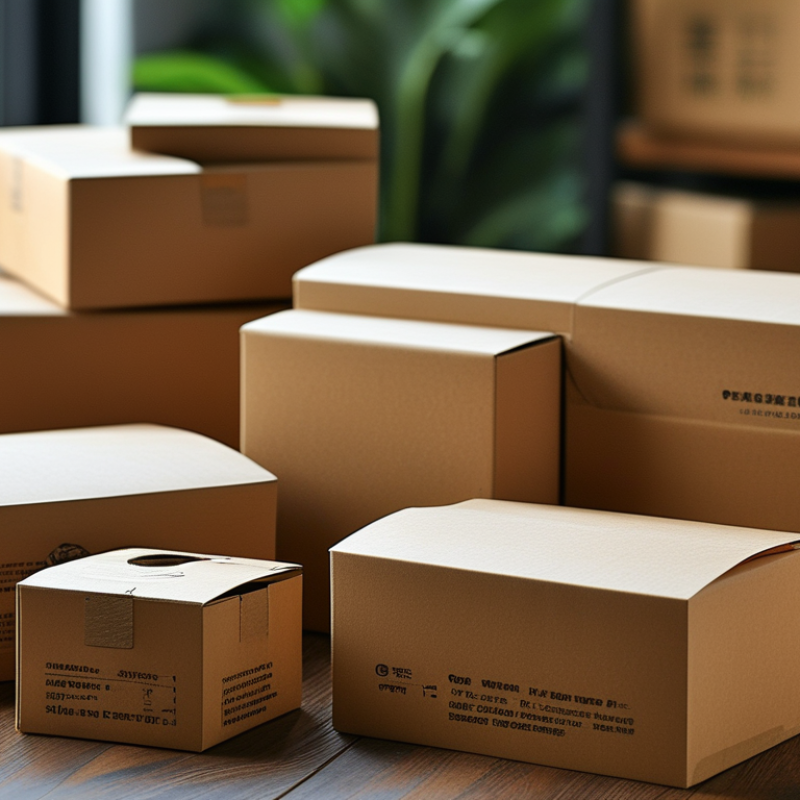
China's Dominance in Box Packaging Solutions for Global Markets
China has firmly established itself as a leader in box packaging solutions for global markets. In 2022, the global corrugated packaging market was valued at approximately $300 billion, with China accounting for over 35% of this share. This dominance is attributed to advanced manufacturing techniques and cost-effective production methods. Furthermore, the country's robust supply chain allows for timely delivery and competitive pricing.
However, it's essential to consider that not all manufacturers meet international standards. Quality control can vary significantly across different suppliers. Buyers must conduct thorough research to ensure they choose reliable partners.
Tip: Always request samples before making bulk orders. This step can help assess the quality of materials and craftsmanship.
Additionally, sustainability is becoming a focus in the packaging industry. China is increasingly adopting eco-friendly materials in response to global environmental concerns. Despite this positive trend, some industry players still rely on less sustainable practices. Buyers are encouraged to prioritize suppliers committed to green solutions.
Tip: Check for certifications related to sustainable practices. This verification can aid in making informed purchasing decisions.
Key Features of Box Packaging Production in China
When considering box packaging production in China, several key features stand out. Chinese manufacturers excel in designing custom solutions tailored to global buyer needs. This flexibility allows for various sizes, materials, and designs. A range of production technologies is available, ensuring high-quality outputs. Many factories utilize advanced printing techniques that enhance the visual appeal of packaging.
Tip: When selecting a manufacturer, review their certifications and past work. This helps establish trustworthiness and capability.
Sustainability is also a growing focus in Chinese packaging. Many suppliers now offer eco-friendly materials. This shift meets the increasing demand for sustainable practices among consumers. However, not all manufacturers prioritize this. It is important to ask about their environmental policies.
Tip: Inquire about their waste management practices. Understanding their approach can guide your choices.
Quality control is crucial in China’s packaging industry. Each step, from sourcing materials to final assembly, should undergo rigorous testing. However, inconsistencies can occur. Thus, regular inspections are necessary to maintain standards. Always have a contingency plan in case of urgent requirement changes.
China Best Box Packaging Solutions for Global Buyers
| Feature |
Description |
Benefits |
| Material Variety |
Different materials available including cardboard, paperboard, and recycled materials. |
Customization for product protection and environmental sustainability. |
| Printing Options |
High-quality offset and digital printing available for vibrant designs. |
Enhances brand visibility and appeal. |
| Customization |
Tailored sizes, shapes, and finishes to meet specific client needs. |
Allows businesses to stand out in a competitive market. |
| Cost-Effectiveness |
Affordable production costs without compromising on quality. |
Maximizes profitability for businesses. |
| Speed of Production |
Quick turnaround times for bulk orders. |
Helps businesses meet tight deadlines and market demands. |
| Sustainability Practices |
Utilization of eco-friendly materials and processes. |
Promotes corporate responsibility and appeals to environmentally-conscious consumers. |
Comparative Analysis of Packaging Materials Used in China
In the global packaging industry, China stands out for its diverse range of materials. The country offers solutions made from paper, plastic, metal, and glass. Each material has unique properties that cater to different market needs. For instance, according to a report by Statista, the paper packaging market is projected to reach $510 billion by 2025, highlighting its growing popularity.
Plastic packaging is prevalent due to its lightweight and durable nature. However, it also raises environmental concerns. The International Energy Agency reported that plastic production can contribute to up to 3.8 gigatons of CO2 emissions annually. While some companies are shifting towards biodegradable alternatives, many resist due to cost and availability.
Metal packaging, including aluminum and tin, remains a resilient option. The global metal packaging market is expected to grow significantly. However, sourcing can be inconsistent, leading to supply chain challenges. Meanwhile, glass is favored for its premium feel but comes with higher transportation costs due to weight. The complexity of these materials requires buyers to carefully analyze their choices, balancing cost with sustainability and effectiveness.
Comparative Analysis of Packaging Materials Used in China
Sustainable Practices in Chinese Box Packaging Industry
The Chinese box packaging industry is rapidly evolving with a focus on sustainability. Recent data indicates that over 35% of packaging firms in China are now using recycled materials. This shift aligns with global trends, where consumers increasingly prefer environmentally friendly options. The market research shows that sustainable packaging can increase brand loyalty by up to 70%.
However, the industry faces challenges. While many companies are adopting eco-friendly practices, not all adhere to stringent regulations. A significant percentage still rely on traditional materials, contributing to environmental concerns. Moreover, the gap in technology and processes poses obstacles for smaller manufacturers transitioning to greener solutions.
Innovative methods are emerging in response to these challenges. Biodegradable materials and efficient production processes are gaining traction. Around 25% of businesses are investing in renewable resources. This commitment is crucial as consumers demand transparency and accountability. In this dynamic context, the Chinese packaging sector is at a crossroads, navigating the tension between rapid growth and sustainable responsibility. The future will rely heavily on continued innovation and commitment to eco-friendly practices.
Challenges and Opportunities for Global Buyers in China
Global buyers often face challenges when sourcing packaging solutions from China. The vast manufacturing landscape presents both opportunities and pitfalls. For instance, quality control can be a significant concern. Some manufacturers may not meet international standards. Buyers might receive samples that look impressive, but mass-produced items can often fall short.
Communication barriers can further complicate interactions. Language differences can lead to misunderstandings about specifications or timelines. It's crucial for buyers to establish clear communication channels. Regular updates and detailed product descriptions can help ensure alignment. However, many buyers overlook the importance of visiting production sites. This step can reveal issues that are not apparent from afar.
On the other hand, China offers diverse packaging options at competitive prices. Innovative designs and sustainable materials are increasingly available. Buyers can tap into a growing trend for eco-friendly solutions. However, it's vital to conduct thorough research. Understanding regional regulations can prevent compliance issues. Buyers should also consider the environmental impact of their sourcing decisions. They need to weigh the costs and benefits carefully.