How to Choose the Best Candle Box for Your Business Needs?
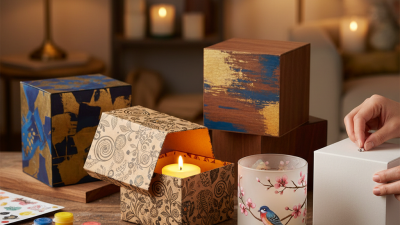
Choosing the right candle box for your business is crucial. It affects branding, sales, and customer satisfaction. A well-designed candle box can elevate your product's appeal. It’s more than just a container; it represents your brand’s identity.
Consider the materials. Are you opting for eco-friendly options? Cardboard is popular, but glass can enhance luxury. Each choice impacts perception. Think about size, too. Will it fit standard candles, or do you offer unique shapes?
Branding is another factor. Custom designs can differentiate you in a crowded market. But remember, not every design works for every product. A candle box must align with your overall vision. Reflect on your goals. What message do you want to convey? The best candle box should resonate with your audience.
Understanding the Importance of Candle Packaging for Your Brand
Candle packaging plays a crucial role in branding. It is more than just a protective layer; it tells a story. Customers notice packaging before the product itself. An attractive box can create a memorable first impression. This initial interaction shapes their perception of your brand.
Choosing the right candle box involves various factors. Think about materials that resonate with your target audience. Eco-friendly options are popular. They appeal to consumers who value sustainability. Design matters too. Colors and fonts should align with your brand identity.
Here are some tips to consider:
- Use high-quality materials
to enhance your brand’s image.
- Incorporate unique shapes
that stand out on shelves.
- Consider informative designs
that reflect candle scents or benefits.
Reflect on challenges you may face. Are your designs too generic? Does your packaging convey your brand's essence? Regularly evaluating these aspects can lead to
continuous improvement.
Evaluating Material Options for Candle Boxes for Durability and Appeal
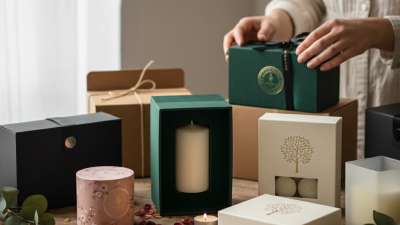
When selecting materials for candle boxes, durability and appeal are key factors. Consider using recycled cardboard or kraft paper. These materials are eco-friendly and provide sturdiness for shipping. Glassine is another option, adding a touch of elegance while being moisture resistant. Ensure that these materials can withstand the heat from the candles.
Another aspect to reflect on is the design potential. Materials can significantly affect the aesthetic value of your products. Adding special coatings or finishes can enhance the visual appeal. However, not all coatings are safe for all candle types. Prioritizing safety is essential. This means the beautiful finish should not sacrifice functionality.
Keep in mind the weight and stackability of the chosen materials. If they are too heavy, shipping costs will rise. On the other hand, if they are too flimsy, they won’t protect the product. Think about how customers perceive your brand through packaging. A well-chosen material can improve trust and brand loyalty. In the end, balancing aesthetics with practicality is crucial.
Design Considerations: Customization and Branding on Candle Boxes
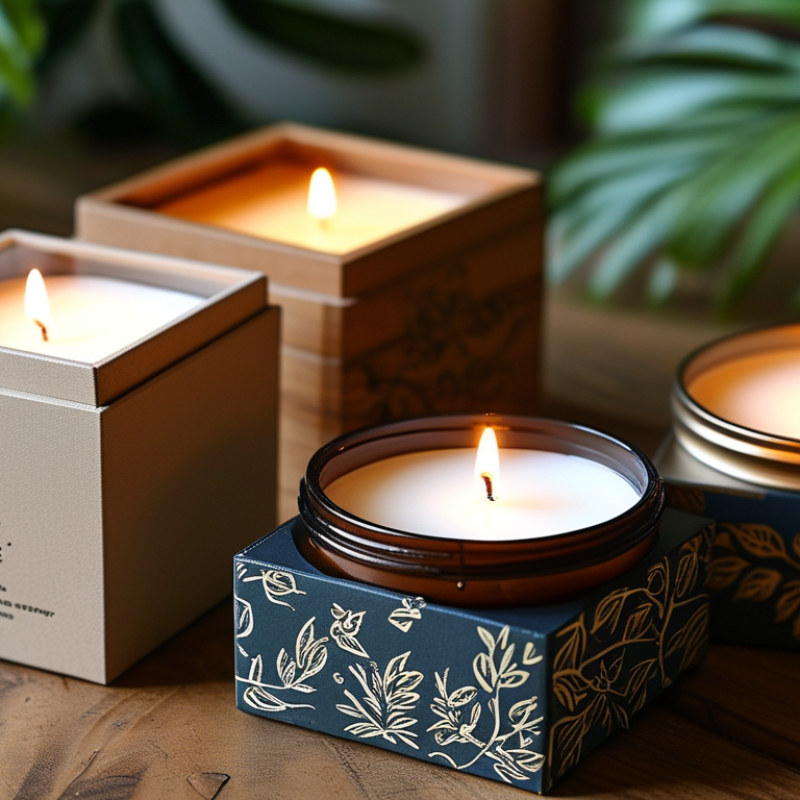
When selecting candle boxes for your business, design plays a crucial role. Customization allows you to express your brand's personality. Consider elements like colors, shapes, and textures. A unique design captures attention and enhances customer experience. Think about how the packaging reflects the essence of your candles. Is it elegant, playful, or eco-friendly? The design should answer these questions.
Branding is another important aspect of candle box design. Your logo should be prominently displayed. Choose fonts and images that align with your brand identity. However, overloading the box with information can backfire. Keep it simple yet striking. It’s essential to strike a balance between creativity and clarity. Reflect on what might resonate with your target audience.
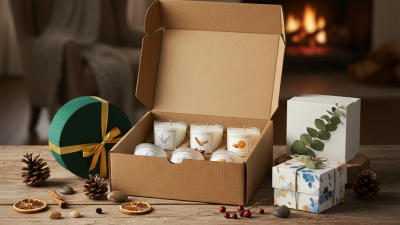
A well-designed candle box can create memorable unboxing experiences. This encourages customers to share their experiences online. Boxes that are not only functional but also beautiful can lead to repeat purchases. Remember, every detail matters. Even small design choices can make a significant impact. Experiment and iterate until you find what works for your brand.
Choosing the Best Candle Box: Design Considerations
Sizing and Structural Requirements for Various Candle Products
Choosing the right candle box involves understanding the specifics of your product. The size and structural demands vary greatly among different candle types. For example, containers can differ in height and diameter based on the candle shape. A votive candle requires a more compact box, while pillar candles need the extra space to accommodate their width.
The box's material also plays a critical role. Cardboard provides sufficient protection but may not be ideal for heavier candles. After experimenting, many businesses find that a sturdier option is essential for premium products. It’s crucial to consider the visual appeal, as customers often judge based on the packaging. Colors and textures matter greatly. Engaging designs can attract attention but might complicate production.
Transitioning to sustainability can also present challenges. Eco-friendly materials can sometimes compromise structural integrity. This tension leads to the need for careful material selection and testing. Balancing cost with quality and design is another hurdle. However, finding the right box can enhance customer satisfaction and promote repeat business. Reflecting on these elements ensures a well-rounded approach to packaging your candles.
Cost Factors and Budgeting for Your Candle Box Selection Process
When selecting a candle box for your business, budgeting plays a crucial role. The cost can vary greatly based on size, material, and design. Understanding these factors is essential for making informed decisions. Consider how the box reflects your brand identity. A well-designed box can enhance perceived value.
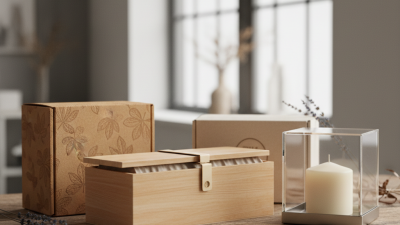
Tips for budgeting: Begin by calculating your production costs. Analyze the materials you'd prefer—cardboard might be cheaper, while wood feels more luxurious. Include shipping costs and any additional features like inserts or windows.
Another aspect to think about is order quantities. Bulk purchases can significantly reduce per-unit costs. However, be mindful of storage and inventory management. Consider whether investing in high-quality packaging justifies the expense in the long run. Your choice should balance quality with cost-effectiveness, ensuring that you offer a good product without overrunning your budget.