What is Box Packaging and Why Does It Matter for Buyers?
Box packaging plays a crucial role in the world of retail and logistics. As an industry expert, John Smith notes, "Good packaging can make or break a product's success." This highlights the importance of box packaging for buyers and sellers alike. It protects products, enhances brand identity, and influences customer perception.
Consider the materials used in box packaging. A well-designed box not only safeguards items during transit but also attracts consumers' attention on shelves. For instance, sustainable materials are gaining favor among eco-conscious buyers. This shift reflects changing values and expectations.
Yet, not all companies prioritize box packaging. Some may overlook its significance, focusing solely on the product itself. This approach can be flawed. Effective box packaging can tell a story, convey a brand's message, and even prompt a purchase decision. It deserves careful consideration in any marketing strategy.
Understanding Box Packaging: Definition and Components
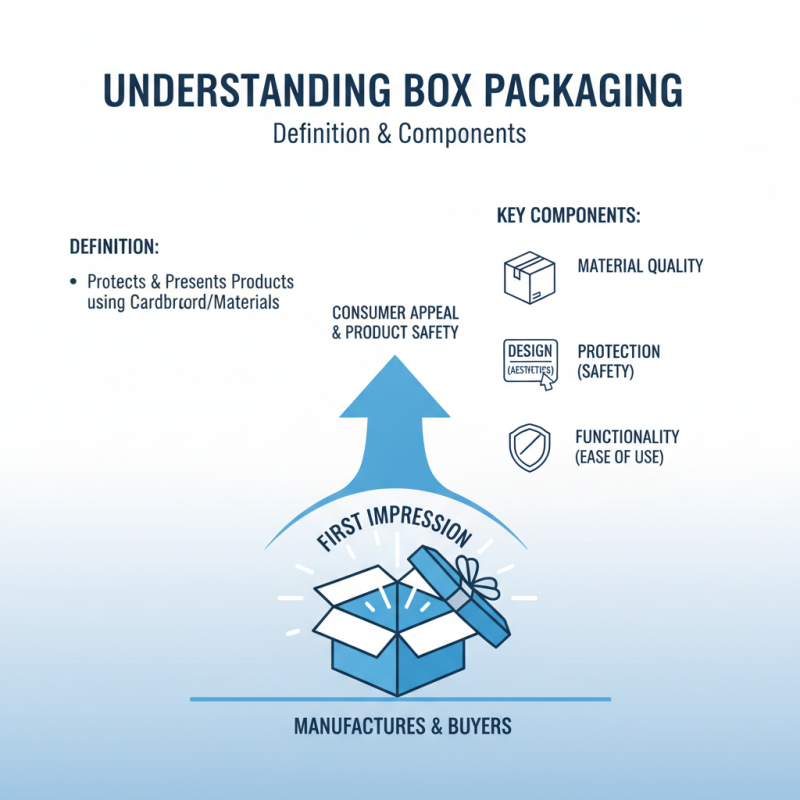
Box packaging refers to the use of cardboard or other materials to create boxes that protect and present products. Understanding the components of box packaging is crucial for both manufacturers and buyers alike. A well-designed box is more than just a protective shell; it serves as the first impression for a product. Elements such as material quality, design, and functionality significantly affect both the product's safety and consumer appeal.
The structure of a box plays a vital role in its effectiveness. Materials like corrugated fiberboard provide strength, while single-layer cardboard offers a lighter option. Aesthetics also matter. Color, typography, and graphics can enhance brand identity and attract buyers. However, not all packaging meets sustainability standards. Many boxes contribute to environmental waste. This inconsistency in production practices prompts consumers to question the brands they support.
Furthermore, the dimensions of the box must suit the product it holds. Overly large boxes can lead to damage during transport. On the other hand, too small boxes can suffocate the product. It’s a delicate balance that requires attention. Buyers often find themselves evaluating not only the product but also its packaging. They seek reliability, protection, and aesthetics, making packaging a crucial factor in purchasing decisions. A well-thought-out packaging strategy can foster trust and promote brand loyalty.
Types of Box Packaging: Materials and Designs Explained
Box packaging plays a crucial role in the buying experience. It comes in various materials and designs, each with unique benefits. Cardboard is popular for its lightweight and recyclable properties. Kraft paper offers durability and a rustic feel, making it an eco-friendly choice. Rigid boxes provide a premium look, often used for luxury products.
Design is equally important. Custom shapes can enhance brand appeal. Bold colors attract attention, while minimalist designs communicate sophistication. However, not all designs are effective. A cluttered look can confuse consumers. It’s essential to find a balance.
Buyers often overlook the significance of packaging. Yet, it impacts their decision-making process. Thoughtful packaging can enhance perceived value. Poor packaging, on the other hand, can lead to distrust. Brands must consider both aesthetics and functionality carefully. This includes ensuring the packaging protects the product during transit. Overall, understanding materials and designs helps create a better buyer experience.
Importance of Box Packaging: Impact on Buyer Perception
Box packaging plays a crucial role in shaping buyer perception. The moment a customer sees a product, the box is their first impression. A well-designed box not only protects the item but also communicates brand values. It can convey luxury, sustainability, or practicality. Buyers often associate the quality of the box with the quality of the product inside. Flimsy packaging may lead to doubts about the item’s worth.
To enhance buyer perception, consider the following tips: Use eco-friendly materials to appeal to environmentally conscious consumers. Eye-catching designs can elevate the perceived value. Make sure the packaging reflects your brand’s personality. Simplicity can be powerful; sometimes less is more. This tactile experience leaves a lasting impact on customers.
However, many brands overlook the importance of box packaging. They might focus solely on the product. This could lead to missed opportunities to connect with customers. Packaging should not be an afterthought. Instead, it should be integrated into the overall marketing strategy. Recognizing the significance of packaging can set a brand apart in a crowded marketplace.
Sustainable Box Packaging: Eco-Friendly Options for Consumers
Sustainable box packaging is becoming increasingly important for consumers. A recent report by Smithers Pira indicates that the global market for sustainable packaging will exceed $500 billion by 2028. This shift is driven by a growing awareness of environmental issues. More consumers are seeking eco-friendly products, leading brands to adopt sustainable practices.
Recycled materials play a significant role in this transformation. According to a survey from the Paper and Packaging Board, 73% of consumers prefer products with recyclable packaging. Furthermore, around 50% of shoppers are willing to pay more for sustainable options. This reflects a shift in buying behavior, where eco-conscious choices are a priority.
Despite these positive trends, not all packaging claims are credible. The term "greenwashing" highlights the risks. Companies may present products as eco-friendly without substantial evidence. This reinforces the need for buyers to research and verify claims. Sustainable box packaging should truly benefit our planet, not just serve as a marketing tactic.
What is Box Packaging and Why Does It Matter for Buyers?
| Packaging Type |
Material |
Sustainability Rating |
Recyclable |
Biodegradable |
Typical Use Case |
| Rigid Box |
Recycled Paperboard |
A+ |
Yes |
Yes |
Luxury Products |
| Corrugated Box |
Fluted Cardboard |
A |
Yes |
No |
Shipping |
| Folding Box |
Recyclable Paper |
B+ |
Yes |
Yes |
Consumer Goods |
| Eco-Friendly Box |
Biodegradable Materials |
A++ |
Yes |
Yes |
Organic Products |
| Plastic Box |
Polyethylene |
C |
Yes |
No |
Electronics |
Choosing the Right Box Packaging: Considerations for Buyers
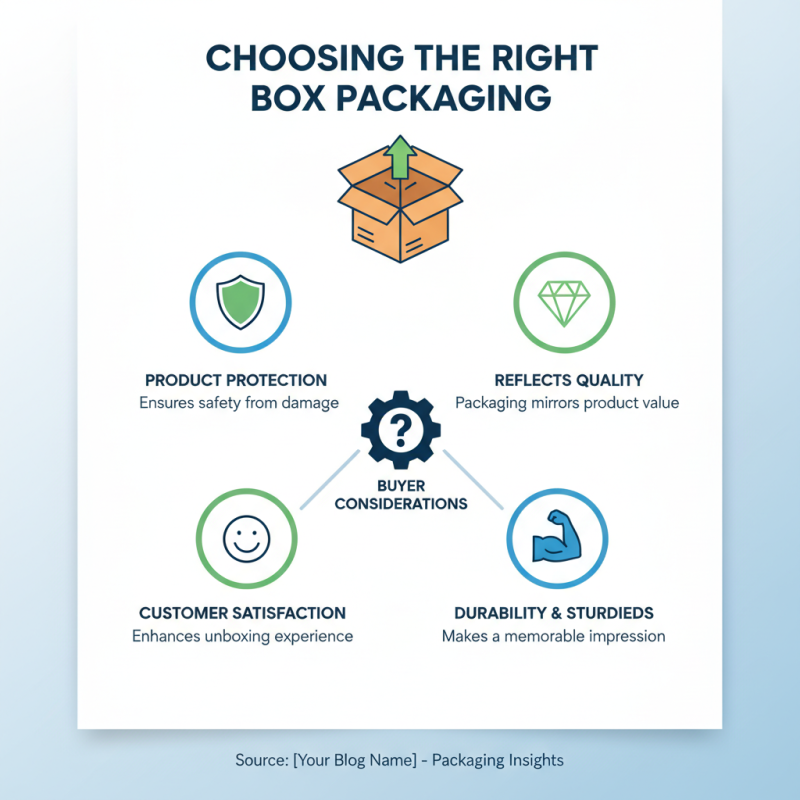
When it comes to box packaging, buyers must think deeply about their choices. The type of packaging can significantly impact product protection and customer satisfaction. Proper box selection is essential, as it reflects the quality of the product inside. A sturdy box can enhance the unboxing experience, making it memorable for the customer.
One must consider several factors when choosing box packaging. Size is crucial. A box that is too large can lead to product movement and damage. A box that is too small may result in crushing. Material choice is important as well. Cardboard, for instance, is lightweight and recyclable, while corrugated options offer better protection for fragile items.
**Tips**: Always assess your product weight. Choose a box that suits that weight. Consider using padding materials for delicate items. Testing packaging before mass production can help identify potential issues. Ensure your packaging aligns with brand values, as this conveys your commitment to quality. Sometimes, less flashy designs can be more effective and affordable.