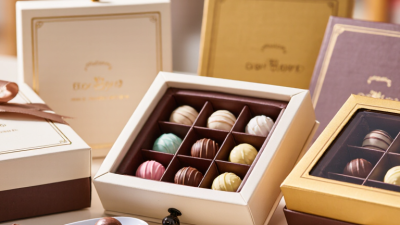
Why Choose Custom Candy Boxes for Global Buyers?
Global buyers are rethinking the role of the Candy Box. It is no longer just a container for colorful sweets. It protects delicate pieces, communicates brand value, and creates a memorable opening experience. A rigid box can prevent crushing during long-distance shipping. A well-fitted insert can keep chocolates aligned after days in transit. These details matter when products cross climates, languages, and shopping habits.
Packaging consultant Lisa McTigue Pierce describes packaging as “the silent salesperson.” Her observation remains highly relevant to custom candy packaging. A carefully chosen finish, such as soft-touch coating or restrained foil, can suggest quality before the first bite. Clear product information can also build trust with unfamiliar buyers. However, attractive design alone is not enough. Materials should be evaluated for food-contact suitability, moisture resistance, recyclability, and regional packaging expectations. Local specialists should verify these details before production.
Custom Candy Box programs also offer practical control. Buyers can adjust dimensions, print languages, pack quantities, and protective structures for different markets. Sample testing can reveal weak corners, loose lids, or colors that change under store lighting. Small failures still teach useful lessons. A larger box is not automatically more premium. Excess material may increase shipping costs and create unnecessary waste. Sometimes, a simpler structure performs better.
This guide explores why global buyers choose custom candy packaging, where customization creates measurable value, and which decisions deserve closer review. The best Candy Box is not merely beautiful. It is dependable, appropriate, and honest about its limitations.
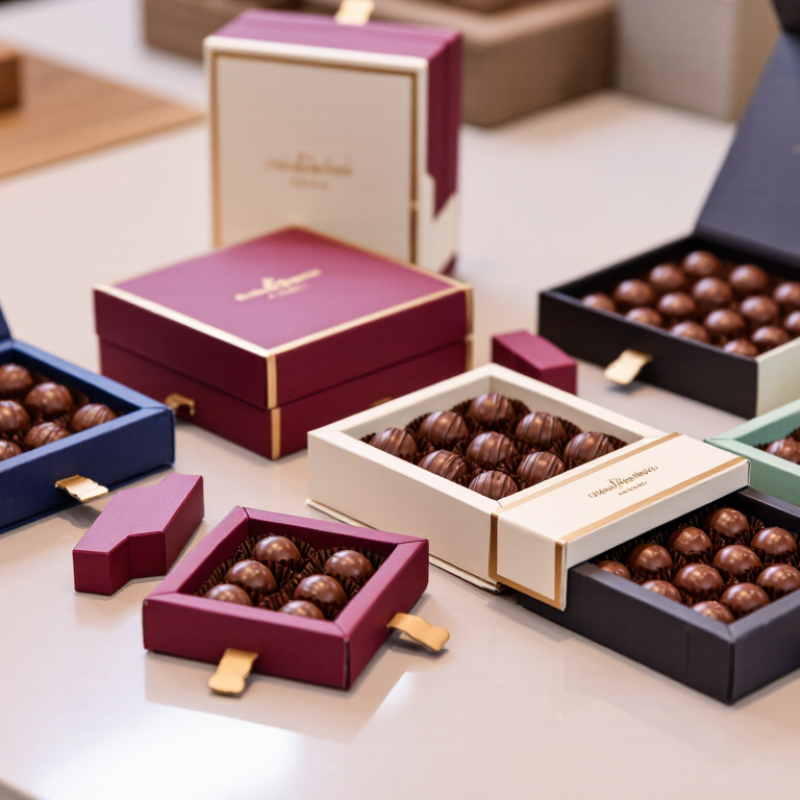
Market Context: USD 246.6B Global Confectionery Market in 2023 (GVR)
Why Choose Custom Candy Boxes for Global Buyers?
Grand View Research valued the global confectionery market at USD 246.6 billion in 2023. That scale creates intense competition on crowded shelves and online product pages. Custom candy boxes help buyers present a clear identity before the first piece is tasted. A rigid box can protect delicate chocolates, while a recyclable folding carton can reduce shipping volume. Size matters. A loose insert may let candies shift during long-distance delivery.
Global buyers also face varied consumer expectations. Box structure, printing quality, and opening style should match the product and destination market. Food-contact materials need reliable supplier documentation and suitable testing. Labels may require ingredient, allergen, weight, and recycling information in different formats. Strong packaging teams review these details early, not after production begins. Small errors can become expensive delays.
Practical details build trust. A window can display color and texture, but it may weaken barrier performance if poorly designed. A magnetic closure feels premium, yet it can add weight and freight cost. Not every custom feature creates value. That is worth questioning. Buyers should request prototypes, compression checks, color proofs, and packing trials before placing large orders. A box that looks impressive in a sample room may perform differently in a humid warehouse. Better decisions come from measured testing, transparent specifications, and packaging designed for real global handling.
Transit Protection: USD 5.8T E-Commerce Sales Raise Box Demands (Statista)
Why Choose Custom Candy Boxes for Global Buyers?
Global e-commerce sales reached about USD 5.8 trillion, according to Statista. This growth increases pressure on candy packaging during international delivery. Boxes may face stacking, vibration, humidity, and sudden temperature changes. A custom box can match the candy’s size and reduce empty space. That limits movement inside the carton. It also helps prevent crushed corners, broken pieces, and damaged seals. In packaging tests, a snug insert often performs better than extra filler. Small details matter.
Transit protection should guide the design, not decoration alone. Strong paperboard, reinforced edges, and moisture-resistant coatings can improve handling performance. However, no box removes every shipping risk. A design tested in a dry warehouse may struggle on a humid route. That point is easy to overlook. Buyers should request drop, compression, and vibration testing before placing large orders. Clear material specifications and production samples also support reliable quality control. Packaging must protect the product while remaining practical for storage and customs handling.
Tips: Measure the candy and inner tray precisely. Leave enough space for safe sealing, but avoid loose movement. Use dividers for mixed shapes or delicate pieces. Check the box after simulated drops and stacking. Review food-contact requirements in each target market. A lower-cost box may look attractive, yet replacement shipments can cost more. Some designs still need improvement after testing. That is normal._iteratively refine the structure, printing, and closure until protection remains consistent.
Brand Value: 71% Pay More for Sustainable Products (IBM/NRF)
Custom candy boxes can turn a small purchase into a visible sustainability statement.
According to the IBM Institute for Business Value and NRF, 71% of consumers may pay more for sustainable products.
That preference matters when packaging reaches homes, offices, and gift tables.
A custom box can use recycled paperboard, water-based inks, and right-sized inserts. These choices reduce unnecessary material and create a more deliberate unboxing experience.
The Sustainable Packaging Coalition reports that consumers increasingly expect packaging to be recyclable, reusable, or compostable.
However, “eco-friendly” should never remain a vague label. Buyers need clear material details and realistic disposal guidance.
Design also influences perceived value. A sturdy drawer box protects delicate candies during international shipping, while a small window shows color and texture without opening the package.
Custom dimensions may reduce empty space, although they can increase production costs at lower volumes. That trade-off deserves honest review.
The 2023 Global Buying Green Report found that 82% of surveyed consumers were willing to pay more for sustainable packaging.
Still, willingness does not guarantee repeat purchases. A box that looks premium but cannot enter local recycling systems may create disappointment.
Global buyers should test materials, confirm certifications, and compare shipping impact before approving a final design.
Sustainability needs evidence, not decoration.
Material Choices: FSC Packaging and Food-Contact Rules Across Markets
Why Choose Custom Candy Boxes for Global Buyers?
Material Choices: FSC Packaging and Food-Contact Rules Across Markets
Custom candy boxes help global buyers balance presentation, protection, and regulatory needs. Material selection should begin with the candy, not the artwork. Chocolate may need stronger barriers against moisture, grease, and odor transfer. Dry sweets often require less protection, but their packaging still needs clean, stable surfaces.
FSC-certified paperboard can support responsible forestry goals and provide traceable fiber sourcing. However, FSC certification does not automatically prove food-contact safety. That distinction matters. Paper coatings, inks, adhesives, and recycled fibers may require separate evaluations. Packaging teams should request current certificates, technical data, and food-contact declarations from suppliers. Local testing may still be necessary.
Rules differ across markets. European buyers may expect evidence aligned with applicable food-contact framework rules. Buyers in the United States may review FDA-related requirements for paper, coatings, and indirect contact materials. Other markets can apply different migration limits or documentation practices. Ask early. It saves time.
In real production, a beautiful matte coating can complicate recyclability. A high recycled content may also affect color consistency or odor control. These trade-offs deserve honest review. Not every “green” choice performs equally well for every candy. Sampling should include box strength, surface odor, print rub, and contact conditions. One overlooked detail can delay a shipment.
Why Choose Custom Candy Boxes for Global Buyers?
Material Choices: FSC Packaging and Food-Contact Rules Across Markets
Food-contact safety requirements apply across all markets shown, while FSC certification is generally voluntary rather than legally mandatory. Custom candy boxes can therefore combine food-contact-compliant materials with FSC-certified paperboard when buyers require responsible fiber sourcing. Requirements should be verified for the final material, coating, ink, adhesive, and destination market.
Buyer Checklist: MOQ, Unit Cost, Lead Time, and Customization ROI
Why Choose Custom Candy Boxes for Global Buyers?
Buyer Checklist: MOQ, Unit Cost, Lead Time, and Customization ROI
Global buyers often choose custom candy boxes to improve presentation and protect products during transit. Yet the purchase should begin with numbers, not artwork. MOQ affects cash flow, storage space, and testing risk. A supplier may quote 3,000 boxes, while your launch needs only 1,200. Ask whether mixed sizes or staged production are possible. Order a physical sample first. Small details matter. Check folding accuracy, print alignment, insert fit, and surface scuffing.
Compare unit costs at several quantities, not one attractive figure. Request prices for 1,000, 3,000, and 10,000 units. Include tooling, sampling, inner packaging, freight, and replacement allowances. A low box price can become expensive after these additions. Our first estimate once missed inner dividers and extra carton space. It looked efficient on paper. It was not. Lead time needs clear milestones, including artwork approval, sampling, production, inspection, and dispatch. Confirm the buffer before seasonal demand begins.
Customization should earn its place through measurable value. A window may improve product visibility, while a stronger insert can reduce movement and damage. Premium finishes can help gifting, but they may not increase repeat orders. Test one feature at a time when possible. Verify materials and printing specifications with a qualified supplier for the destination market. Keep written records of assumptions, revisions, and approval dates. Sometimes a simpler box performs better. That possibility deserves honest review.
Why Choose Custom Candy Boxes for Global Buyers? - Buyer Checklist: MOQ, Unit Cost, Lead Time, and Customization ROI
Planning benchmark for buyers comparing standard and customized folding candy boxes. Costs are indicative USD ranges for paperboard packaging, excluding freight, taxes, warehousing, and confectionery products.
| Buyer Scenario |
Recommended Box Format |
Typical MOQ |
Indicative Unit Cost at MOQ |
Indicative Unit Cost at 5,000 Units |
Typical Lead Time |
Setup / Tooling Cost |
Customization Options |
Estimated Customization ROI Potential |
Buyer Checklist Result |
| Product testing or seasonal launch |
Small folding carton, 250–350 gsm paperboard, 1–2 color print |
500–1,000 units |
$0.35–$0.65 |
$0.18–$0.32 |
10–18 working days |
$30–$120 for plates or digital setup |
Basic size, logo, barcode, and one-sided print |
Medium; helps validate shelf appeal with limited inventory risk |
Suitable when demand is uncertain |
| Online retail or subscription candy box |
Printed mailer-style carton with tuck closure |
1,000–2,000 units |
$0.55–$1.10 |
$0.30–$0.58 |
15–25 working days |
$80–$250 for cutting die and setup |
Full-color exterior, QR code, insert card, and tamper-evident sticker |
Medium to high; supports unboxing content and repeat purchases |
Strong choice for direct-to-consumer sales |
| Premium gifting or corporate orders |
Rigid setup box or magnetic box with paper wrap |
500–1,000 units |
$2.20–$4.80 |
$1.50–$3.20 |
25–40 working days |
$150–$600 for sampling, die, and finishing setup |
Foil stamping, embossing, ribbon, insert tray, and specialty paper |
High when the selling price is positioned around premium presentation |
Best for high-margin gifting programs |
| Supermarket or convenience-store distribution |
Shelf-ready folding carton with die-cut window |
3,000–5,000 units |
$0.28–$0.55 |
$0.16–$0.30 |
18–30 working days |
$100–$350 for die-cutting and print setup |
Retail barcode, nutrition panel, multilingual compliance copy, and display window |
Medium; improves recognition and shelf differentiation at scale |
Check retailer packaging specifications before production |
| Export shipment across multiple markets |
Flat-pack folding carton with reinforced locking tabs |
2,000–5,000 units |
$0.30–$0.70 |
$0.17–$0.36 |
20–32 working days |
$100–$300 for structural sample and die |
Multilingual artwork, moisture-resistant coating, and export carton markings |
Medium to high; lower damage and storage costs can improve landed-cost efficiency |
Prioritize flat packing and transport testing |
| Large-scale promotional campaign |
Standard folding carton with high-volume offset printing |
10,000–20,000 units |
$0.15–$0.30 |
$0.10–$0.20 |
25–40 working days |
$150–$500 for plates, proofing, and production setup |
Full-color print, campaign artwork, promotional message, and variable stickers |
High when packaging supports a measurable campaign or conversion target |
Lowest unit cost, but highest inventory commitment |
Buyer checklist:
Confirm food-contact suitability, paperboard thickness, ink and coating compliance, carton dimensions, product fit, barcode readability, multilingual labeling requirements, sample approval, freight terms, and quality inspection standards before placing a purchase order.
ROI method:
Customization ROI should be evaluated using incremental gross profit, reduced product damage, repeat-purchase rate, shelf conversion, and packaging waste—not appearance alone. Final pricing and lead time depend on box size, material, print coverage, finishing, order quantity, destination, and approved artwork.