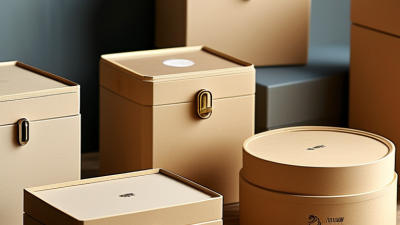
Choosing the right Bracelet Box supplier is not only a packaging decision. It affects product protection, brand perception, shipping efficiency, and customer trust.
The global packaging industry is moving toward lighter materials and clearer sustainability claims. The OECD’s Global Plastics Outlook identifies packaging as the largest source of single-use plastic waste. That finding matters for jewelry brands shipping thousands of small parcels across borders. A rigid box may protect a bracelet well, but excessive foam, coatings, or oversized dimensions can increase waste and freight costs. Small details matter.
Market evidence also supports stronger packaging standards. Grand View Research reports continued growth in luxury packaging, driven by premium presentation and rising online retail demand. McKinsey’s packaging research highlights recyclable materials, material reduction, and practical design as important purchasing considerations. These trends make supplier selection more demanding. Appearance alone is not enough.
This guide reviews 10 Bracelet Box suppliers for global buyers. The comparison considers material quality, customization, minimum order quantities, production capability, sampling, export experience, and communication. Suppliers should also provide accurate dimensions, packaging test information, and transparent material descriptions. Ask for samples.
Real-world performance can differ from catalog images. A velvet insert may look elegant but shed fibers. A magnetic closure may feel premium but add shipping weight. Some supplier data may be self-reported, and published market forecasts cannot predict every factory’s consistency. Buyers should verify claims through samples, factory audits, and written specifications. That extra step is easy to skip. It is also where many purchasing mistakes begin.
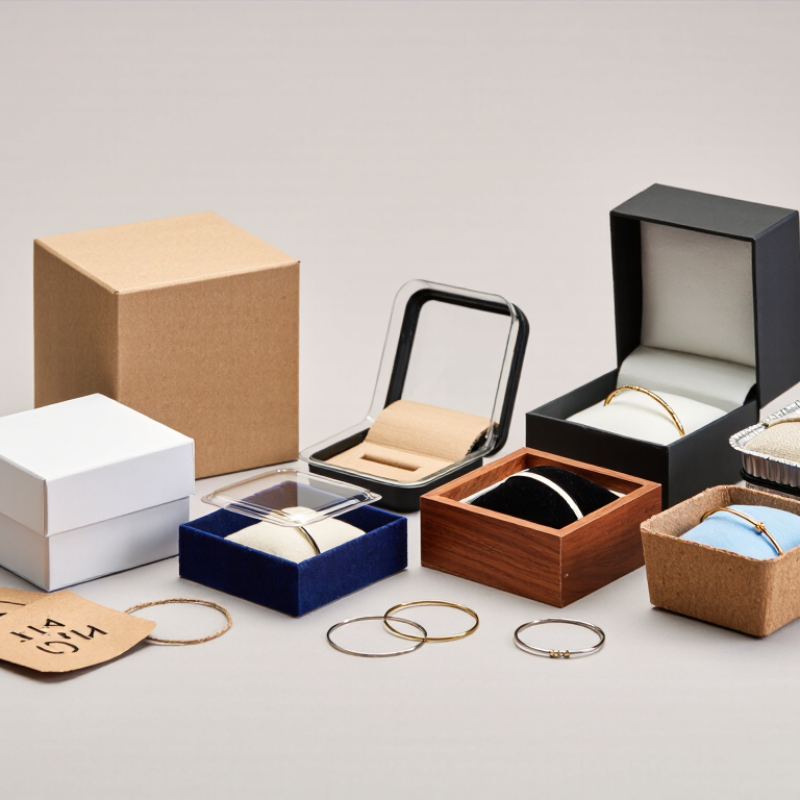
A suitable supplier understands that a bracelet box must survive more than showroom handling. It may face humidity, vibration, compression, and repeated sorting. UNCTAD reports that global business e-commerce sales reached about US$27 trillion in 2022. That scale makes export readiness essential. Suppliers should provide accurate carton dimensions, weight data, packing lists, and consistent commercial documentation. Small errors become expensive across borders.
Material selection also matters. The 2024 Global E-commerce Trends Report, based on 12,000 shoppers across 24 markets, found that about seven in ten consumers wanted more sustainable delivery options. Buyers should ask for recycled-content evidence, recyclable components, and responsible material certificates. A rigid box with a soft insert should protect the bracelet without excessive empty space. It should also fit standard shipping cartons efficiently. This is often overlooked.
Quality control needs visible proof. Ask for pre-production samples, drop-test records, color tolerances, and inspection photos. A reliable supplier should explain minimum order quantities, sampling charges, production lead times, and replacement policies clearly. Communication matters too. One missed measurement can affect thousands of units. No supplier is perfect. I would still request a small trial order before committing to a large shipment, even when the factory appears experienced. That practical step reveals weak glue, uneven printing, or inaccurate sizing faster than polished presentations.
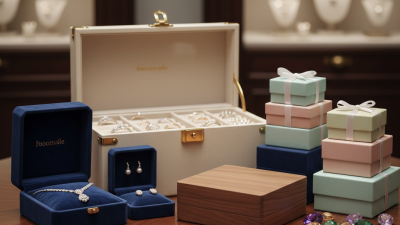
Key Criteria for Evaluating Bracelet Box Manufacturers
Reliable bracelet box suppliers should be judged beyond attractive catalog photos. Request physical samples with your intended bracelet sizes, materials, and closure styles. Check hinge alignment, lining tension, surface scratches, glue marks, and unpleasant odors. Small flaws often become obvious after repeated opening.
Manufacturing experience matters when designs include custom inserts, magnetic closures, or unusual dimensions. Ask for production photographs, quality inspection records, material specifications, and realistic lead times. A dependable supplier should explain its minimum order quantity, sample charges, packaging method, and replacement policy clearly. Vague answers deserve caution.
Global buyers should also review export documentation, carton strength, moisture protection, and labeling requirements for the destination market. Confirm whether the supplier can maintain consistent color and dimensions across batches. A pre-shipment inspection can compare finished goods against the approved sample. Do not rely on one successful order. My own evaluation would include a small trial shipment, because factory promises can sound stronger than factory results. Even careful buyers may overlook transit damage or slight color changes under different lighting. Communication speed matters, but accurate answers matter more.
| Supplier | Primary Production Region | Core Box Materials | Common Bracelet Box Formats | Typical MOQ Range | Standard Lead Time | Customization Capability | Quality & Compliance Evidence to Request | Export Readiness | Evaluation Score |
|---|---|---|---|---|---|---|---|---|---|
| Supplier 01 | East Asia | Paperboard, velvet, microfiber, recycled paper | Folding boxes, drawer boxes, hinged boxes | 500–1,000 units | 18–28 days after artwork approval | Logo printing, foil stamping, embossing, inserts, custom dimensions | Pre-production sample, material specification, color approval, packaging inspection report | Experienced with consolidated sea and air shipments | ★★★★☆ 8.8 |
| Supplier 02 | South Asia | Wood, cotton, linen, handmade paper | Wooden cases, book-style boxes, rigid presentation boxes | 300–800 units | 25–40 days after sample confirmation | Hand finishing, fabric wrapping, engraving, internal compartments | Wood treatment details, moisture-control process, stitching inspection, sample approval | Suitable for smaller international orders with protective export packing | ★★★★☆ 8.5 |
| Supplier 03 | Southeast Asia | FSC-mix paperboard, recycled pulp, cotton lining | Eco rigid boxes, sleeve boxes, magnetic-closure boxes | 1,000–2,000 units | 20–32 days after approved proof | Water-based coating, soy-based ink, recycled inserts, custom printing | FSC documentation where applicable, recycled-content declaration, ink and coating specifications | Good fit for buyers requiring sustainability documentation | ★★★★☆ 8.7 |
| Supplier 04 | East Asia | Rigid board, leatherette, velvet, molded foam | Clamshell boxes, two-piece boxes, multi-bracelet cases | 1,000–3,000 units | 22–35 days after final artwork | Advanced structural design, die-cut inserts, color matching, premium finishes | Dimensional inspection, drop-test results, rub resistance, batch consistency records | Strong capacity for repeat orders and mixed-size packaging programs | ★★★★★ 9.1 |
| Supplier 05 | Europe | Recycled board, kraft paper, molded fiber | Minimalist folding boxes, paper sleeves, recyclable rigid boxes | 2,000–5,000 units | 30–45 days after technical approval | Low-plastic construction, custom die cutting, digital or offset printing | Recycled-content evidence, recyclability guidance, food-contact exclusion confirmation where relevant | Efficient for regional European fulfillment and shorter transport routes | ★★★★☆ 8.6 |
| Supplier 06 | North America | Rigid paperboard, faux leather, microfiber, molded inserts | Luxury hinged boxes, gift boxes, custom retail packaging | 500–2,000 units | 25–40 days after prototype approval | High-detail printing, custom foam or paper inserts, premium tactile finishes | Prototype review, print-quality inspection, adhesive specifications, carton packing test | Convenient for North American buyers needing domestic or regional delivery | ★★★★☆ 8.4 |
| Supplier 07 | East Asia | Paperboard, PU leather, satin, EVA and molded pulp | Travel cases, magnetic boxes, stackable bracelet boxes | 300–1,000 units | 15–25 days for standard structures | Low-MOQ prototyping, custom inserts, digital printing, barcode labels | Golden sample, barcode verification, carton drop test, pre-shipment inspection | Flexible for emerging brands and test-market quantities | ★★★★☆ 8.9 |
| Supplier 08 | South Asia | Solid wood, veneer, recycled paper, cotton fabric | Handcrafted boxes, wooden drawer boxes, keepsake cases | 200–600 units | 30–50 days after approved prototype | Carving, laser engraving, hand painting, fabric and paper combinations | Wood origin statement, moisture testing, workmanship standard, pre-shipment photos | Best suited to artisan and premium gift collections | ★★★★☆ 8.2 |
| Supplier 09 | Southeast Asia | Bamboo, kraft board, recycled paper, cotton | Eco gift boxes, bamboo-lid boxes, compact sleeve packaging | 1,000–3,000 units | 24–38 days after artwork approval | Natural-material finishes, custom printing, paper inserts, plastic reduction options | Bamboo treatment details, material origin, coating information, packaging compression test | Suitable for sustainability-focused collections and export cartons | ★★★★☆ 8.5 |
| Supplier 10 | East Asia | Rigid board, velvet, microfiber, recycled board | Premium hinged boxes, window boxes, bracelet-and-card sets | 1,000–2,500 units | 20–30 days after final approval | Window cut-outs, foil stamping, embossing, custom trays, coordinated packaging sets | Color proof, material declaration, assembly inspection, final random inspection report | Well suited to coordinated international retail packaging programs | ★★★★★ 9.0 |
The ten suppliers below represent different strengths in the bracelet box market. A custom packaging manufacturer suits brands needing rigid boxes, foil logos, and tailored inserts. A small-batch workshop offers flexible quantities and closer communication. An eco-focused supplier uses recycled paper, water-based coatings, and molded pulp trays. Materials still need verification.
A high-volume factory supports large seasonal orders with automated cutting and assembly. A luxury packaging specialist focuses on velvet lining, magnetic closures, and precise finishing. A wooden box maker provides solid bamboo or certified timber options for premium collections. A fabric packaging supplier creates pouches and soft cases, often reducing shipping weight. A display-focused supplier combines bracelet boxes with counters, trays, and retail organizers. A quick-turn supplier helps buyers test new designs, though its customization range may be narrower. A regional manufacturer can simplify sampling, inspections, and delivery coordination. The best choice depends on order size, target price, product weight, and presentation goals.
Tips: Request a physical sample before approving production. Check insert fit with the actual bracelet, not a drawing. Ask for material records, packaging tests, and realistic lead times. Compare three quotations carefully; a cheaper box may use weaker hinges or uneven printing. I have found that photographs can hide small defects. Inspect corners, magnets, odor, and surface scratches under normal store lighting. Clarify carton dimensions and stacking limits before shipment. Supplier claims deserve evidence.
For global buyers, the best bracelet box suppliers should be compared beyond photographs. Material affects protection, shipping weight, and perceived value. Rigid paperboard offers a clean surface for foil stamping, while velvet or microfiber interiors prevent scratches. Recycled paper suits lightweight orders, but it may dent more easily in humid warehouses. Wood feels premium, yet it increases freight costs and needs responsible sourcing.
Customization usually includes dimensions, inserts, colors, logos, and magnetic closures. Ask each supplier for a physical sample. Digital proofs can hide color differences. A practical specification should state board thickness, fabric composition, printing method, and packaging protection. Suppliers offering ISO 9001 quality systems may provide more consistent production, although certification alone cannot guarantee every batch.
Price comparisons need landed cost, not unit price. Grand View Research valued the global luxury packaging market at about USD 17.6 billion in 2023 and forecasts continued growth through 2030. This signals stronger demand for premium presentation, but small buyers may face high setup fees. Minimum orders often range from 100 to 1,000 units, depending on materials and printing. McKinsey research found that 60% to 70% of consumers may pay more for sustainable packaging, yet buyers should test this assumption with their own customers. I would request three samples, two quotations, and a moisture test. That takes time. It can prevent expensive disappointment.
Typical B2B benchmark by bracelet-box material, comparing estimated unit price and minimum order quantity for customized production.
Paperboard generally offers the lowest cost and MOQ, while wood and acrylic provide stronger perceived value but require higher budgets. Actual quotations vary by size, insert design, printing, finishing, packaging, shipping terms, and order volume.
10 Best Bracelet Box Suppliers for Global Buyers
How Global Buyers Can Select and Work With a Supplier
Choosing among the 10 best bracelet box suppliers requires more than comparing unit prices. Check material strength, foam fit, hinge testing, printing accuracy, and export experience. Smithers’ Future of Sustainable Packaging to 2028 values the global packaging market above US$1.2 trillion by 2028. This growth increases supplier options, but also increases quality variation. Request a physical sample before approving mass production. Measure the bracelet cavity with the clasp closed. A beautiful box can still damage jewelry during transport.
Work with suppliers that provide clear specifications, inspection records, and realistic production schedules. Ask for carton dimensions, gross weight, moisture protection, and drop-test results. ISO 9001 certification can support process control, although certification does not guarantee perfect products. PwC’s Voice of the Consumer Survey 2024 reported that 46% of consumers buy more sustainable products. Therefore, ask for recycled content evidence, responsible paper documentation, and lower-plastic alternatives. Do not accept vague claims. I have seen buyers focus on the lowest quote, then pay more for replacements and delayed launches. That lesson deserves attention.
Tips: Compare landed cost, not factory price. Approve a color standard and pre-shipment sample. Use a written tolerance for dimensions and logo placement. Confirm whether the supplier can handle small trial orders. Keep communication records. One overlooked detail matters: test the box in the actual shipping carton, not only on a clean showroom table.