In today's global marketplace, the choice of packaging can significantly impact a product's success. Cardboard Box Packaging is emerging as a popular solution among buyers. This packaging is not only cost-effective but also offers various benefits that cater to diverse needs.
One of the standout features of Cardboard Box Packaging is its versatility. It can be customized to fit different products, ensuring optimal protection during transit. Furthermore, this type of packaging is environmentally friendly. Many consumers now prioritize sustainability, making cardboard an appealing option.
However, it is essential to consider the quality of cardboard. Not all cardboard boxes provide equal strength and durability. Buyers must focus on sourcing boxes from reputable manufacturers to avoid potential issues. Quality assurance in Cardboard Box Packaging can lead to a seamless delivery experience. By understanding these benefits and challenges, global buyers can make informed decisions that enhance their product offerings.
Cardboard box packaging has emerged as a vital choice for environmentally conscious consumers. It is biodegradable and can break down within months, unlike plastic. This natural decomposition process significantly reduces landfill waste. Sustainable sourcing of materials adds to the appeal. Many cardboard manufacturers use recycled paper, which means fewer trees cut down and less energy consumed in production.
When choosing cardboard packaging, consider the weight and construction. Lightweight boxes reduce shipping costs and fuel consumption. Also, opt for boxes with minimal plastic components. This decision maximizes recyclability.
Tips: Always check for certifications that verify the sustainability of materials. Also, inquire about the company's recycling program. Support brands that prioritize eco-friendly practices. This ensures your choices contribute positively to the environment. Embracing cardboard packaging is a small step that can lead to a significant impact on our planet.

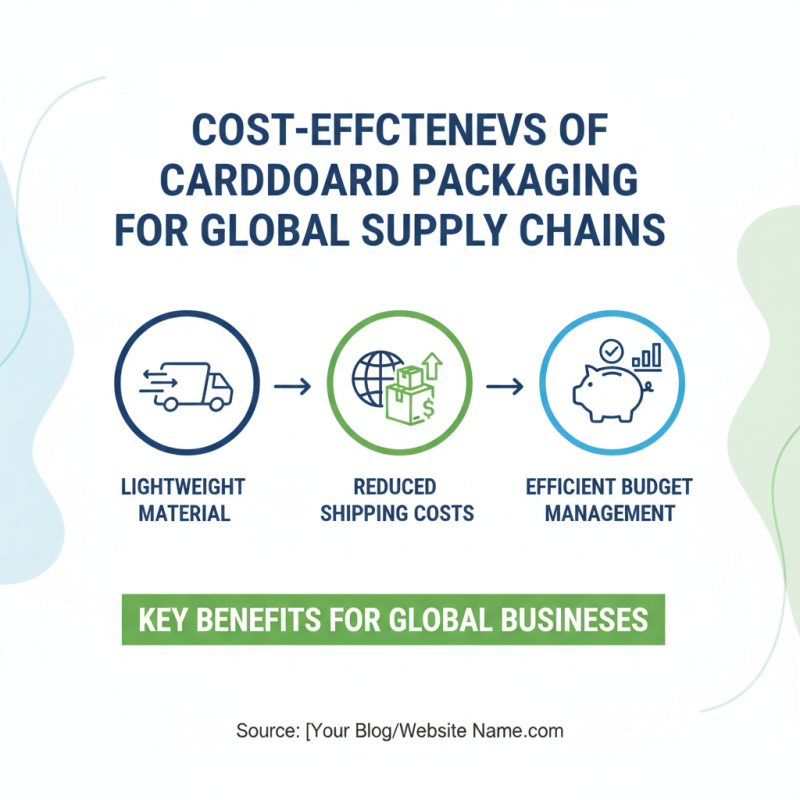
Cardboard packaging has gained popularity due to its cost-effectiveness. For businesses involved in global supply chains, it can significantly reduce shipping expenses. Cardboard is lightweight, which decreases transportation costs. This makes it easier for companies to manage their budgets efficiently.
In addition, cardboard boxes can be produced and recycled quickly. This quick turnaround simplifies logistics, ensuring products reach their destinations on time. Efficient supply chains are essential for maintaining customer satisfaction. Reduced packaging costs can also free up funds for other business investments.
Tips: Always calculate packaging dimensions carefully. Thinner walls save material but might compromise durability. Consider using custom sizes to minimize wasted space. It's vital to balance cost savings with product protection.
Sourcing high-quality cardboard can also enhance reliability. Not all suppliers offer the same level of durability. Be prepared to assess quality before committing. Each decision impacts your overall efficiency and costs. Reflecting on these choices ensures better long-term strategies for your business.
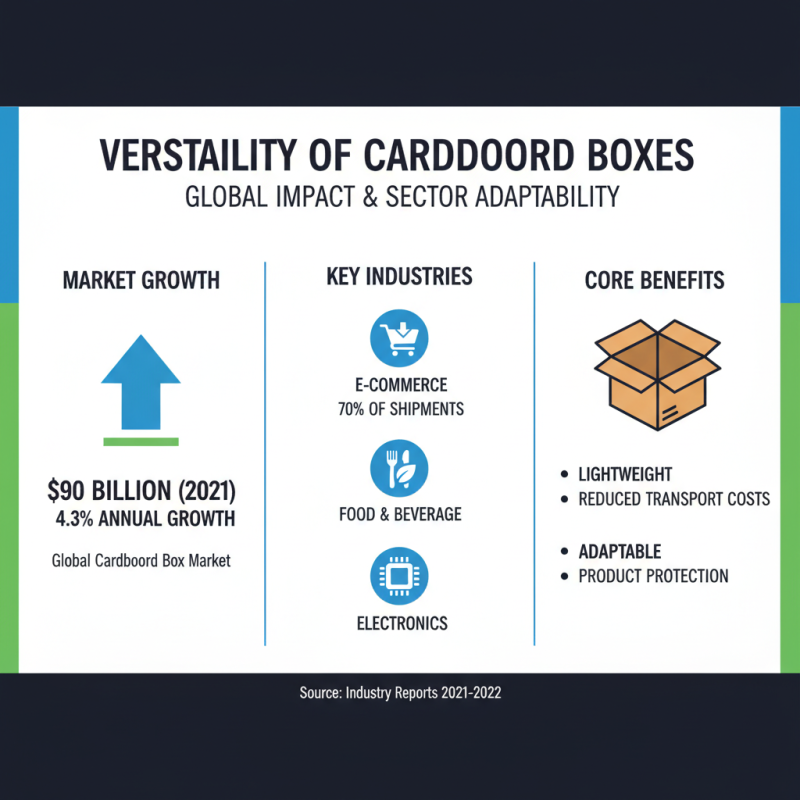
Cardboard box packaging has become crucial across various industries. Reports indicate that the global cardboard box market was valued at approximately $90 billion in 2021, with a projected growth rate of 4.3% annually. This versatility allows it to cater to the needs of sectors like e-commerce, food and beverage, and electronics. For instance, 70% of e-commerce products rely on cardboard packaging for shipping. Its lightweight nature reduces transportation costs, benefiting sellers and consumers alike.
In the food and beverage industry, cardboard boxes provide excellent protection for products. They are biodegradable, appealing to environmentally conscious consumers. A survey revealed that 60% of consumers prefer brands with sustainable packaging. Additionally, cardboard is readily customizable, making it easy for brands to enhance their visual identity. However, there are limitations. For example, cardboard's moisture sensitivity can be a concern for certain products, requiring careful consideration in design.
The adaptability of cardboard extends beyond basic packaging. In the electronics industry, corrugated cardboard protects fragile items during transit. Reports suggest that this packaging has reduced damage rates by up to 30% compared to alternative materials. Yet, many manufacturers need to enhance their use of recycled cardboard. This approach could lead to greater sustainability and better resource management. The ongoing shift toward eco-friendly practices presents a challenge for some in this sector.
Cardboard packaging is gaining recognition for its role in enhancing product safety and protection. According to a report from the International Forest Products Journal, 78% of consumers prioritize packaging that protects their purchases during transit. Cardboard offers an excellent buffer against physical damage, moisture, and environmental stressors. Its lightweight nature reduces shipping costs while maintaining high strength and durability.
Additionally, cardboard is less prone to static electricity, which can be a risk for sensitive electronic devices. A 2022 study found that products packaged in cardboard suffered 30% less damage compared to those in alternative materials. However, reliance on cardboard isn't without flaws. In some cases, moisture exposure can weaken its integrity, leading to potential product loss. It raises questions about how to balance sustainability with practical performance.
Many manufacturers have begun investing in modern technologies to improve cardboard resilience. Enhanced coatings and treatments can offer extra protection. These innovations illustrate the industry's commitment to safety and efficiency. Yet, challenges remain. Continuous improvement is essential to meet the varying demands of global markets and ensure customer satisfaction.
Cardboard packaging plays a crucial role in brand marketing and consumer appeal. A 2021 study by Smithers Pira indicates that the global cardboard packaging market is projected to grow by 4.4% annually. This shift underscores the importance of appealing packaging to attract consumers. Cardboard packaging is not only sustainable but also versatile. Brands can customize their designs to reflect their identity, which enhances recognition. In a survey conducted by Packaging Insights, 72% of consumers admitted that packaging design influences their purchasing decisions.
Moreover, cardboard packaging can create an emotional connection with consumers. By using creative designs and eco-friendly materials, brands can convey their commitment to sustainability. Research from Mintel shows that 62% of shoppers prefer brands that use environmentally friendly packaging. Using biodegradable materials in packaging can boost customer loyalty and trust. Yet, brands must carefully balance aesthetics and functionality. Focusing too much on design without considering protection can lead to damaged products.
The tactile experience is another factor to consider. The feel of cardboard gives a sense of quality. Brands that succeed in this area often find themselves enjoying better market positioning. However, striking a balance between design, branding, and practicality remains a challenge. Companies must continuously assess consumer feedback to improve their packaging strategies. Failure to adapt can lead to lost opportunities in an evolving market.
| Benefit | Description | Environmental Impact | Cost Efficiency |
|---|---|---|---|
| Lightweight | Easier handling and reduced shipping costs. | Lower carbon footprint during transportation. | Cost-effective shipping solutions. |
| Customizable | Artwork, size, and structure can be tailored. | Encourages reuse and recycling. | Potentially lower graphic design costs. |
| Durability | Offers excellent protection for contents. | Reduces waste from damaged goods. | Protects investment against loss. |
| Sustainability | Made from renewable materials. | Supports eco-friendly branding. | Often cheaper than plastic alternatives. |
| Branding Opportunities | High-quality printing for brand visibility. | Positive perception of the brand. | Boosts consumer loyalty. |
| Versatile | Suitable for various products and industries. | Adapts to local market needs. | Reduces inventory costs. |
| Ease of Storage | Flat packing saves space in warehouses. | Minimizes storage footprint. | Provides flexibility in logistics. |
| Cost-Effective | Lower material costs compared to alternatives. | Encourages sustainable purchasing. | Improves profit margins. |
| Recyclability | Can be easily recycled after use. | Minimizes landfill waste. | Encourages circular economy practices. |