What is a Packaging Box and How to Choose One?
Choosing the right packaging box is essential for businesses and individuals alike. A packaging box not only protects your products but also plays a vital role in branding. It is often the first thing customers see, influencing their perception. An effective packaging box reflects care, quality, and craftsmanship.
When selecting a packaging box, consider the dimensions and materials. Different products require different types of packaging. For example, fragile items need sturdy options. The choice of material impacts sustainability too. Many prefer recyclable or biodegradable choices now. Opting for environmentally friendly packaging aligns with modern values.
However, not everyone understands the importance of these choices. Some may overlook the details or opt for cheaper alternatives. This could lead to damaged products or a poor customer experience. Reflecting on your decisions is crucial. Investing time in selecting the right packaging box pays off in the long run.
What is a Packaging Box?
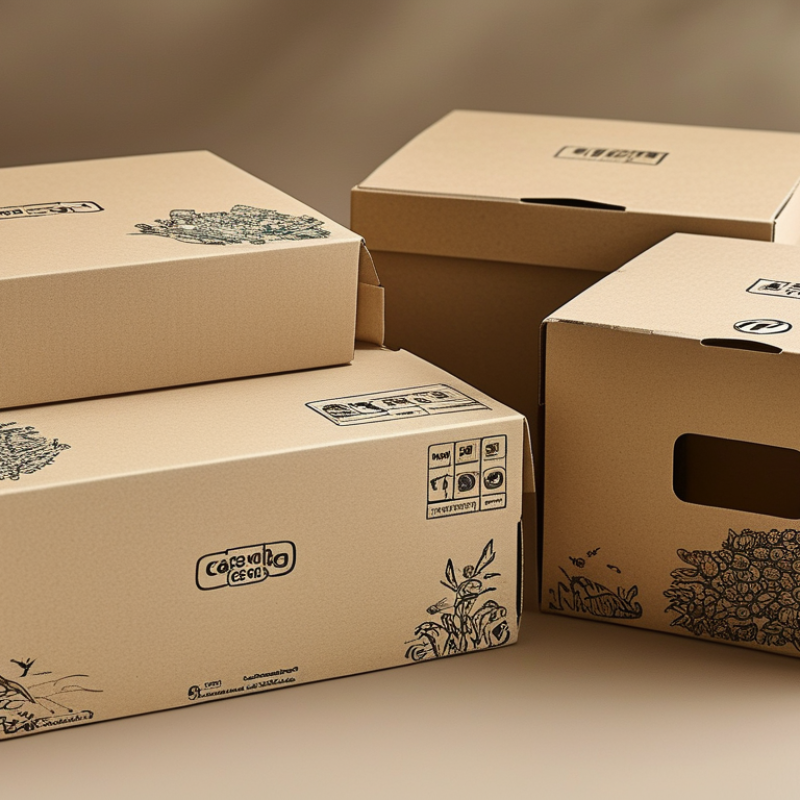
A packaging box serves a critical role in product delivery and protection. It is not merely a container; it represents branding and ensures product safety. According to a report by Smithers Pira, the global market for packaging is projected to reach $1 trillion by 2024, emphasizing its significance. Packaging boxes must withstand various factors, including moisture, temperature, and potential impact during transit.
Choosing the right packaging box involves considering material and dimensions. Corrugated boxes, for example, are popular for their strength and lightweight properties. They make up about 70% of the total box packaging market. However, the right choice is not always clear. Many businesses overlook the importance of box design and its environmental impact. A study by the Paper and Paperboard Packaging Environmental Council highlighted that 65% of consumers prefer sustainable packaging options. This is important to consider, as consumer preferences shift towards eco-friendly solutions.
Many still use standard box designs without analysis. This can lead to wasted materials and increased costs. It is vital to evaluate the product dimensions and weight before finalizing a packaging option. Inadequate packaging can result in damaged goods and dissatisfied customers. Balancing cost, sustainability, and functionality is key. Thoughtful decisions can lead to better consumer experiences and lower environmental footprints.
Types of Packaging Boxes Available in the Market
Choosing the right packaging box is crucial for any business. Various types of packaging boxes cater to different products and purposes. Common options include corrugated boxes, which provide strength and durability. They are ideal for shipping heavy items. Folding cartons are another choice. These are lightweight and perfect for retail packaging. Their aesthetic appeal can enhance product presentation.
Specialty boxes are also available. These include rigid boxes with a premium look and feel. They work well for luxury items. Mailer boxes are designed for e-commerce. They offer protection during transit while being easy to open. When selecting a box, consider the product's size, weight, and fragility. Evaluate the shipping method, too. Each type serves a unique purpose and has its pros and cons.
It's essential to remember that not every box will suit every product. Testing box integrity is also key. A strong box might be too bulky, while a delicate one may not provide enough protection. Balancing aesthetics with functionality is often challenging. Opting for sustainable materials can add value but may increase costs. Ultimately, the right packaging box can make a significant difference in customer experience.
Factors to Consider When Choosing a Packaging Box
Choosing the right packaging box is crucial for any product. Several factors must be considered to ensure that your items are safe and appealing to customers. First, think about the size. A box that is too big can cause items to shift and get damaged. Conversely, a box that's too small may not hold everything securely. Measure your products accurately before selecting a box size.
Material is another important factor. Cardboard, plastic, and corrugated materials have different strengths and uses. Cardboard is lightweight and often less expensive, but it may not provide adequate protection for heavier items. On the other hand, corrugated boxes offer better durability. Consider the weight and fragility of your products when deciding.
Lastly, think about the aesthetics of the box. Packaging should reflect your brand and appeal to your target audience. Custom prints can enhance the visual appeal, but they may also increase costs. Weigh the pros and cons carefully. Ensure your choice aligns with your overall brand strategy while keeping an eye on your budget. Finding the right balance can be challenging but is essential for success.
Factors to Consider When Choosing a Packaging Box
Custom Packaging Box Solutions for Specific Needs
In today's competitive market, custom packaging box solutions play a crucial role in brand differentiation. A report from Smithers Pira indicates that the global market for custom packaging is projected to reach $1 trillion by 2024. Brands are increasingly aware that packaging not only protects products but also serves as a potent marketing tool. The right box can enhance consumer perception and drive sales.
Choosing the right custom packaging involves understanding specific needs. Are you shipping fragile items or high-value electronics? Choosing materials like corrugated cardboard can provide strength and cushioning. The Packaging Machinery Manufacturers Institute states that 86% of consumers prefer well-packaged products. Additionally, sustainable options like biodegradable materials are gaining traction, as 73% of consumers are willing to pay more for eco-friendly packaging, according to a recent Nielsen survey.
However, many businesses face challenges in designing effective packaging. Inconsistent branding or poor functionality can lead to customer dissatisfaction. Companies must reflect on their packaging strategies regularly to ensure they meet evolving consumer expectations. While achieving the perfect design is often seen as an ideal, recognizing and addressing shortcomings is just as vital in the custom packaging journey.
Best Practices for Designing an Effective Packaging Box
Designing an effective packaging box requires more than just appealing aesthetics. It’s essential to consider the purpose of the packaging. A good box protects the product, presents it well, and is easy to open. The material you choose is crucial. Cardboard, for instance, offers strength and durability. Eco-friendly options, like biodegradable materials, are increasingly favored. They resonate well with consumers who care about the environment.
The box design should reflect the brand's identity. Colors, fonts, and graphics all play a role. They must communicate the brand's message clearly. Too much clutter can confuse customers. Striking a balance between simplicity and engagement can enhance visibility. Use adequate spacing and clear typography to ensure readability.
Feedback is vital in the design process. Test your packaging with real consumers. Gather opinions on functionality and appearance. Sometimes, what looks good may not work in practice. Be open to iteration. This is a chance to refine your design. Embrace the idea that improvement is an ongoing process.
What is a Packaging Box and How to Choose One? - Best Practices for Designing an Effective Packaging Box
| Dimension |
Description |
Best Practices |
| Size |
The dimensions of the box affect shipping costs and shelf space. |
Measure your product accurately and account for padding materials. |
| Material |
Common materials include cardboard, plastic, and metal. |
Choose a material that matches the product's durability and weight. |
| Design |
The aesthetic appeal of a box can impact consumer decisions. |
Use colors, typography, and imagery that reflect your brand identity. |
| Functionality |
How easily the box opens, closes, and protects its contents. |
Design for easy handling and ensure products are secure during transport. |
| Sustainability |
The environmental impact of packaging materials. |
Opt for recyclable or biodegradable materials to reduce waste. |