Choosing the right Boxes For Clothes protects garments, controls shipping costs, and shapes the customer’s first impression. The decision is more technical than it appears. A thin carton may crease shirts, while an oversized box allows damaging movement. Fit matters.
Industry data supports careful planning. The International Post Corporation reported more than 100 billion international parcels moved through postal networks in 2023. Each shipment faces compression, vibration, moisture, and repeated handling. Meanwhile, the U.S. Environmental Protection Agency identifies paper and paperboard as major components of municipal solid waste. This makes box size and material choices important for both protection and resource efficiency.
Start with the garment. Folded cotton, knitwear, denim, and formal clothing need different internal space. Measure the packed item, then allow only enough clearance for tissue, a mailer, or protective inserts. Double-wall corrugated boxes offer stronger resistance for heavier garments and longer routes. Single-wall cartons may suit lightweight apparel and local delivery. That is not a universal rule.
Packaging reports from Smithers and the Fibre Box Association also emphasize material performance, recyclability, and right-sizing across e-commerce supply chains. However, recycled content can affect stiffness, especially in humid storage conditions. Testing remains essential. Pack a sample box, shake it, stack it, and inspect the corners after delivery. Real handling reveals weaknesses that specifications may miss.
No box is perfect. A premium carton can still be wasteful if it contains excessive empty space. The best choice balances garment protection, dimensional weight, presentation, storage, and end-of-life recovery. This guide explains how to compare those factors with practical measurements and evidence, not appearance alone.

Clothing boxes should match the garment, handling risk, and storage period. Corrugated shipping boxes suit folded shirts, jeans, and mixed orders. Their fluted layers absorb impacts and resist stacking pressure. The U.S. Environmental Protection Agency reported a 96.5% recycling rate for corrugated boxes in 2018. That figure supports their practical value, but recycling depends on clean, dry material. A crushed box is not automatically useless, though it may protect clothing poorly.
Rigid folding cartons create a cleaner presentation for shirts, knitwear, and accessories. They use less cushioning and often fit retail shelves or drawers. Wardrobe boxes include a hanging bar, making them useful during relocation or long-distance storage. For delicate garments, acid-free tissue and breathable containers can reduce friction and moisture concerns. The International Safe Transit Association recommends testing packaged products under realistic distribution conditions. A box that looks strong in a storeroom may fail after vibration, compression, and repeated handling.
Tips: Measure the folded garment first. Leave only a small cushioning gap. Avoid oversized boxes, because clothing can shift inside. Use double-wall corrugated boxes for heavy denim or stacked apparel. Store wool and silk away from damp areas. I sometimes prefer a simpler box, but presentation can tempt people to overpackage. That is worth questioning. The Sustainable Packaging Coalition also stresses material efficiency, not just recyclability, so fewer layers may be the more responsible choice.

How to Choose the Best Boxes for Clothes?
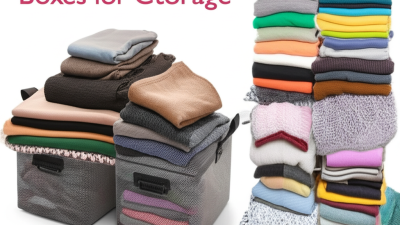
Assessing box size, capacity, and clothing requirements prevents crushed garments and wasted storage space. A box should hold clothes comfortably, not force them into tight corners. Measure folded items before choosing the container. Leave a few centimeters of room above the stack.
Light shirts and trousers usually fit well in medium boxes. Heavy coats need stronger walls and less overall weight. Delicate fabrics require shallow boxes, tissue layers, and gentle folding. Avoid filling one large box with mixed clothing. It becomes difficult to lift and may compress softer materials.
Keep weight manageable.
In my experience, a box that looks spacious can become awkward after adding denim or wool. My first estimate was wrong. I now test each box with a small clothing stack before packing fully. The base should stay flat without bending. A simple capacity check helps: pack similar garments together, then lift the box briefly. If the sides bulge, remove items. If clothes slide inside, add folded paper or choose a smaller size. Store clean, completely dry clothing only. A handwritten label showing season, garment type, and quantity improves access later. Even careful packing has limits. Fabric thickness, box quality, and storage conditions can change the result.
Choosing a clothes box starts with the material, not the printed design. Corrugated cardboard offers a strong balance between weight, cushioning, and recyclability. The U.S. Environmental Protection Agency reported 67.4 million tons of paper and paperboard waste in 2018, with 46.9 million tons recovered. That 69.6% recovery rate supports cardboard as a practical lower-impact option, when kept dry and properly recycled.
Durability depends on more than thickness. For folded shirts, single-wall corrugated board may work well. Coats, denim, and packed shoes need stronger edges and compression resistance. I check the box after stacking similar loads for 24 hours. Bent corners reveal weakness quickly. ASTM D4169 provides distribution-testing guidance, including vibration, impact, and compression conditions. These tests reflect real delivery risks better than a simple hand squeeze.
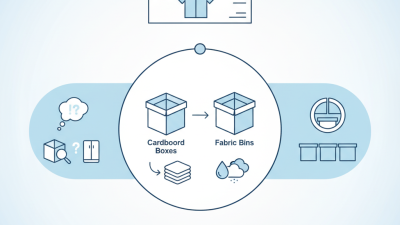
Protection features matter during storage and transport. A snug fit limits movement, while tissue paper reduces abrasion and sharp folds. Water-resistant coatings help in damp warehouses, but they may complicate recycling. Plastic storage bins resist moisture and repeated handling, yet they add weight and require more space. The right choice is rarely perfect. I once chose an oversized box for convenience, and the garments arrived wrinkled despite the sturdy walls. A smaller box, reinforced seams, and a dry storage area would have worked better.
| Box Material | Typical Load Capacity | Durability | Moisture Protection | Protection Features | Reusability | Best Use | Main Limitation |
|---|---|---|---|---|---|---|---|
| Single-wall corrugated cardboard | Approximately 10–20 kg | Moderate; suitable for light to medium household use | Low; paper fibers weaken when exposed to water | Lightweight walls and basic stacking support | Usually 1–3 uses if kept dry | Short-term storage and moving everyday clothes | Can crush or deform under heavy pressure |
| Double-wall corrugated cardboard | Approximately 20–35 kg | High; stronger than single-wall construction | Low to moderate; improved resistance when coated or sealed | Reinforced structure and better resistance to compression | Several uses when handled carefully | Long-distance moving and heavier clothing loads | Bulkier and less convenient to fold or store |
| Plastic storage bin | Approximately 15–30 kg | High; rigid walls resist impact and compression | High when the lid fits securely | Rigid sides, fitted lid, stackable design, and protection from dust | Excellent; commonly reusable for many years | Long-term storage, basements, garages, and seasonal clothing | Heavier, less breathable, and often more expensive |
| Fabric storage cube | Approximately 5–10 kg | Moderate; depends on fabric thickness and internal frame | Low; fabric generally allows moisture to pass through | Soft sides, ventilation, handles, and compatibility with shelving | Good when not overloaded | Closets, shelves, and frequently accessed clothing | Offers limited protection against crushing, pests, and water |
| Wooden storage chest | Approximately 25–50 kg | Very high; rigid construction supports heavy contents | Moderate; improves with a sealed finish and dry placement | Strong walls, secure hinges, and high resistance to impact | Excellent; designed for long-term use | Heavy garments, heirlooms, and permanent storage | Heavy, expensive, and may attract moisture if poorly ventilated |
| Vacuum storage bag | Approximately 5–15 kg per bag | Moderate; plastic film can puncture or lose its seal | High when the valve and closure remain airtight | Airtight compression, dust reduction, and major space savings | Good if free from sharp objects and excessive folding | Bulky seasonal items such as coats, bedding, and knitwear | Not ideal for delicate fabrics that need airflow |
| Hanging garment box | Approximately 10–20 kg | High when made with reinforced cardboard or rigid panels | Low to moderate unless fitted with a protective cover | Full-height design, hanging bar, reduced creasing, and airflow | Several uses with careful assembly and storage | Suits, dresses, coats, uniforms, and other wrinkle-sensitive garments | Takes up more vertical space and is not suitable for folded items |
How to Choose the Best Boxes for Clothes?
Choosing a box depends on the clothes’ purpose. For home storage, use clean, rigid corrugated boxes with secure lids. Add acid-free tissue around silk, wool, or embellished garments. Keep boxes off concrete floors, where moisture can transfer quickly. Medium boxes work better than oversized cartons. They reduce crushing and awkward lifting. Do not pack clothing while damp. A small mistake can create mildew.
Moving requires balance between protection and handling. I usually choose double-wall cartons for heavy coats, shoes, or packed drawers. Wardrobe boxes suit suits and dresses because garments stay hanging. However, they cost more and occupy extra space. For ordinary shirts, folded packing in medium cartons is usually practical. The U.S. Environmental Protection Agency reported 82.2 million tons of containers and packaging in its 2018 municipal waste dataset. That figure is older, but it still shows why reusable or right-sized boxes deserve attention.
Shipping demands stricter planning. The Pitney Bowes Parcel Shipping Index reported 161.1 billion parcels worldwide in 2022. Clothes may face compression, vibration, and wet handling during busy distribution cycles. Choose a snug carton, seal every opening, and use a waterproof inner bag for weather protection. Double-wall construction helps for longer routes, while excessive void fill adds cost and waste. Check carrier size rules before sealing. My first box choice is not always correct. A carton that protects fabric may still be inefficient if its empty space increases dimensional weight. Test one packed sample before preparing the full shipment.
Box designs vary by clothing type and storage purpose. The chart compares the approximate internal volume of four commonly used box formats.
Volumes are calculated from representative internal dimensions: length × width × height. Use smaller boxes for folded garments and heavier loads, while larger or wardrobe-style boxes are better for bulky clothing and hanging items.
When choosing boxes for clothes, I compare the full cost, not only the checkout price. A low-cost carton may collapse after one move. That creates replacement costs, damaged garments, and extra packing time. Measure folded clothes before buying boxes. A snug fit reduces wasted space and filler material. Small detail, big difference.
Reusability matters when storage needs may change. I prefer sturdy boxes with reinforced corners and simple, recyclable materials. They should open without tearing and close without excessive tape. Clear labels help families reuse them for seasonal clothing, donations, or future moves. I have sometimes chosen oversized boxes for convenience. They were harder to lift and less useful later.
Environmental impact requires closer attention than a green-looking label. Check whether the box contains recycled fiber and whether local facilities accept it after use. Avoid mixed materials, plastic coatings, and unnecessary handles when possible. Reusing an existing box usually saves more resources than buying a new “eco” option. However, reuse has limits. Damp cardboard, crushed panels, or lingering odors can make a box unsuitable for clothing. A short supply chain may also reduce transport emissions, but this depends on delivery distance and quantity. Cost, durability, and disposal rules should be considered together.