How to Choose the Best Boxes for Packaging Your Products?
Choosing the right boxes for packaging is crucial for any product. The right boxes for packaging can enhance your brand's image and protect your items. Think about the size, material, and design. They should fit well and reflect your brand identity.
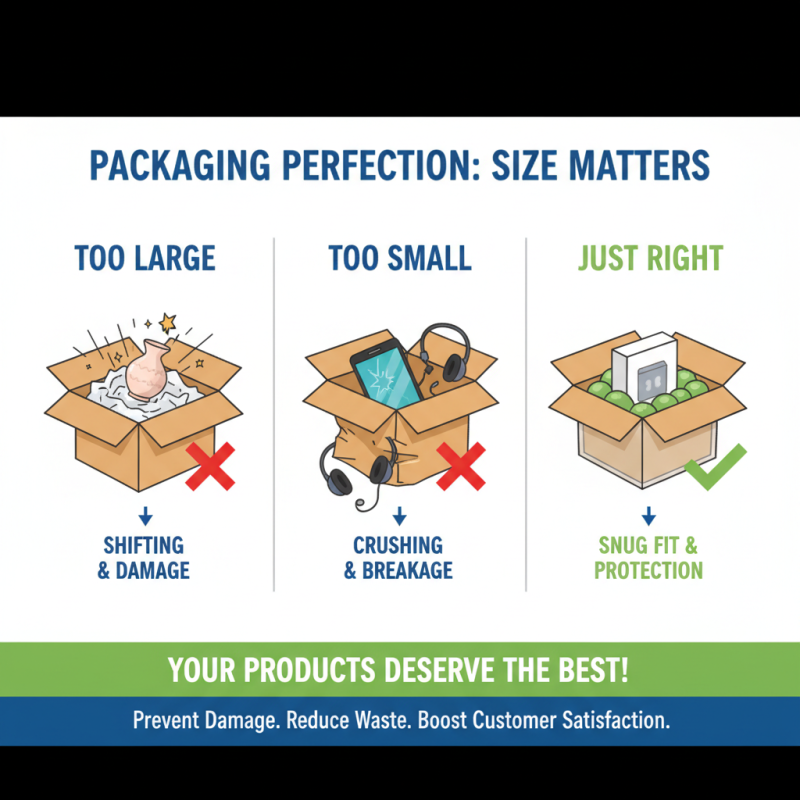
When selecting boxes for packaging, consider the product dimensions. A box that is too big may cause damage during transit. On the other hand, a box that is too small won't provide adequate protection. It's not just about looks; functionality is key too.
Don't forget about the material. Cardboard, plastic, and rigid boxes each serve different needs. Inspect the options available and choose wisely. This decision can be challenging. Reflect on what works best for your brand’s values and the nature of your products.
Types of Packaging Boxes and Their Uses
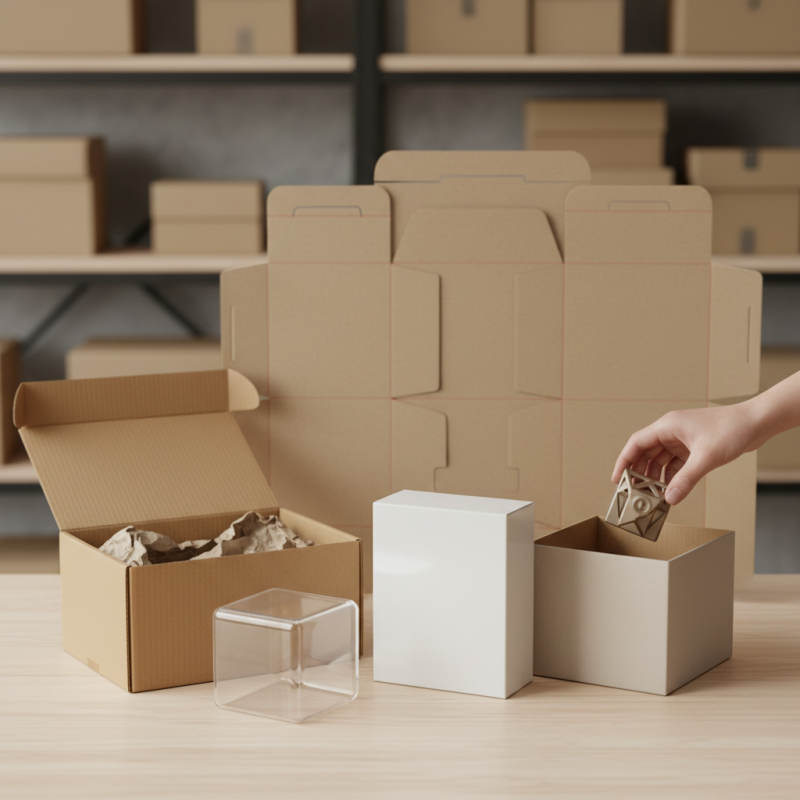
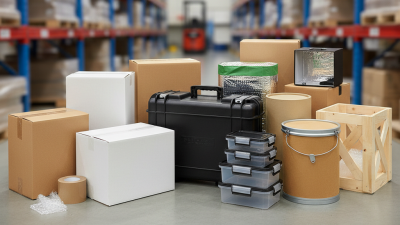
When selecting the right packaging boxes for your products, understanding the types available is crucial. There are various options, each designed for specific uses. For fragile items, padded boxes provide extra protection. These prevent damage during transit. Sturdy cardboard boxes are great for general use, suitable for retail and shipping. They come in various sizes and can be customized with prints. However, some may find them lacking in elegance.
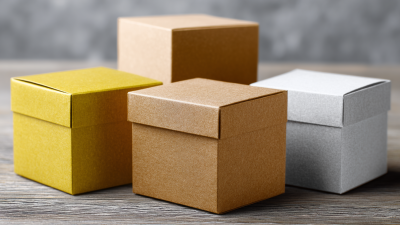
For small items, consider gift boxes. These are often colorful and attractive. They can enhance the unboxing experience for customers. Yet, some may struggle to find the right size. This can lead to wasted space or damage. Another option is eco-friendly boxes. These appeal to environmentally conscious consumers. But their availability may be limited, and they might have a higher cost.
Flat-packed boxes are also popular. They save space and are easy to assemble. However, this can be a hassle for busy operations. There's often a temptation to choose the cheapest option. This might save money initially, but quality issues arise later. Therefore, weighing costs against benefits is essential. Each box type comes with its own advantages and challenges. Making an informed choice can significantly impact your brand's success and customer satisfaction.
Factors to Consider When Choosing Packaging Boxes
Choosing the right packaging boxes for your products is crucial. You must consider size first. If the box is too big, items may shift during transport. This can lead to damage. On the other hand, a box that’s too small might crush your products. Aim for a snug fit that adds a bit of padding.
Material is another vital factor. Corrugated cardboard is sturdy and lightweight, making it popular. However, it may not be the best choice for fragile items. Consider cushioning alternatives like foam or bubble wrap to enhance protection. Eco-friendly options are available too, if that fits your brand's values.
Don't forget about aesthetics. Colors and designs can attract customers. But be cautious; overly flashy packaging may seem cheap. Simplicity often speaks volumes. Lastly, budget matters. Cheap boxes might save money initially but could cost more in returns and damaged goods. Reflect on these aspects carefully for an effective packaging strategy.
Materials Commonly Used for Packaging Boxes
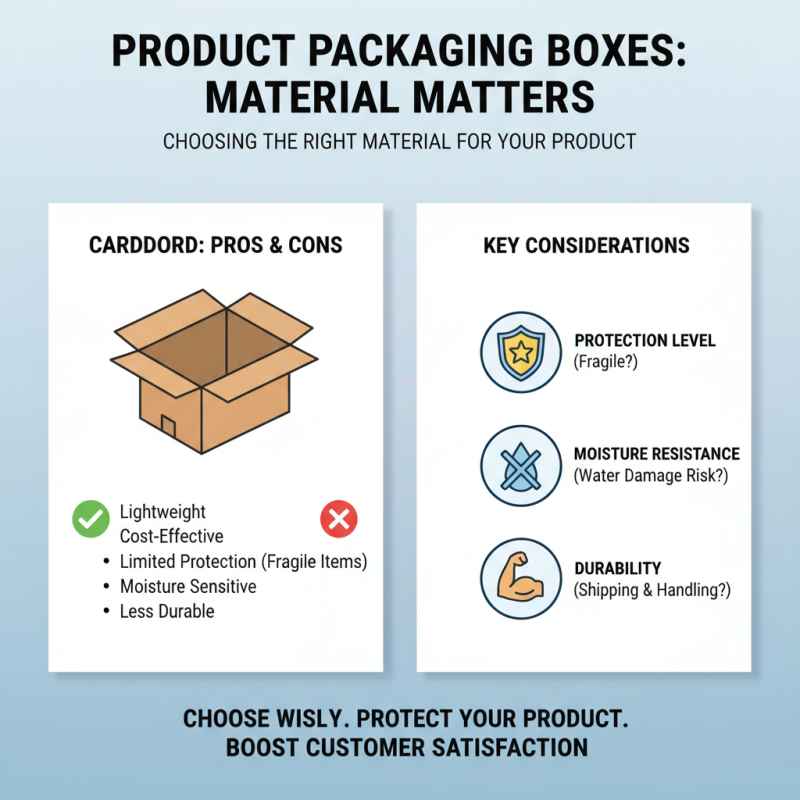
When selecting packaging boxes for your products, the material is crucial. Different materials offer various benefits and drawbacks. Cardboard is a popular choice. It is lightweight and cost-effective. However, it may not provide the best protection for fragile items. Consider the impact of moisture on cardboard. If your product can be damaged by water, this might not be the best option.
Plastic packaging is another alternative. It is durable and often waterproof. However, it can contribute to environmental challenges. Many consumers prefer eco-friendly options. Therefore, exploring biodegradable plastics or post-consumer recycled materials may be beneficial. They provide similar protective qualities without harming the environment as much.
Wooden boxes offer a more premium feel. They protect delicate items well. Nevertheless, they can be heavy and expensive. Think about the impression you want your packaging to create. Will it reflect the quality of your product? Every detail counts. Balancing protection, cost, and environmental impact is essential. Make sure to analyze each material's pros and cons in the context of your product’s needs.
Sizing and Dimensions: Finding the Right Fit for Your Products
When selecting packaging boxes, sizing and dimensions play a crucial role. A box that is too large can lead to product movement, which may cause damage during transit. According to the Packaging Association, nearly 30% of products are returned due to inadequate packaging. This statistic highlights the importance of getting dimensions right.
Consider your product's shape and fragility. For irregularly shaped items, custom box designs may be required. These boxes should snugly fit the product, minimizing any extra space. A study by the Institute of Packaging Professionals noted that properly sized boxes can reduce shipping costs by up to 20%. This could lead to significant savings for businesses.
It's also essential to reflect on the materials used. Lightweight yet sturdy options often provide the best protection without increasing costs. In some cases, companies overlook the environmental impact of packaging sizes. Oversized boxes not only waste materials but also contribute to higher carbon footprints. Finding the right fit is a balancing act between functionality and sustainability.
How to Choose the Best Boxes for Packaging Your Products? - Sizing and Dimensions: Finding the Right Fit for Your Products
| Product Type |
Box Size (L x W x H in inches) |
Material Type |
Weight Capacity (lbs) |
Recommended Use |
| Electronics |
12 x 8 x 4 |
Corrugated Cardboard |
20 |
Shipping & Storage |
| Clothing |
16 x 12 x 6 |
Kraft Paper |
15 |
Retail Packaging |
| Cosmetics |
8 x 6 x 2 |
Rigid Box |
5 |
Gift Packaging |
| Food Items |
10 x 10 x 4 |
Food-Grade Carton |
10 |
Takeout & Delivery |
| Toys |
15 x 10 x 5 |
Recyclable Cardboard |
25 |
Retail & Gifting |
Sustainability and Eco-Friendly Options in Packaging Solutions
Sustainability is essential in today's packaging industry. More businesses recognize the significance of eco-friendly options. These choices reduce the carbon footprint and promote a healthier planet. For example, biodegradable materials break down naturally. This minimizes waste in landfills.
Recyclable boxes offer another smart choice. Consumers appreciate knowing they can recycle their packaging. However, many still discard items without proper recycling. It’s crucial to educate customers about these options. Simple graphics or clear instructions on the box can guide them effectively.
Investing in sustainable packaging doesn't just help the environment. It can also improve brand reputation. However, the challenge lies in balancing cost and eco-friendliness. Some sustainable materials may be pricier. Still, the long-term benefits often outweigh these costs. As companies push for greener solutions, the momentum for change continues to grow. The journey is not perfect, but every step counts.