How to Choose the Perfect Cardboard Box for Your Packaging Needs
When it comes to packaging solutions, selecting the right cardboard box can make all the difference in ensuring your products are transported safely and efficiently. Cardboard boxes come in a variety of shapes, sizes, and materials, each tailored to meet specific needs for business or personal use. As the demand for sustainable and cost-effective packaging continues to rise, understanding the different types of cardboard boxes available is essential for making informed choices.

In this guide, we will explore the "2025 Top 5" cardboard box options that stand out in terms of durability, versatility, and environmental impact. From corrugated boxes ideal for shipping heavy items to lightweight options designed for delicate products, we will delve into the characteristics that define the best choices for various packaging requirements. By the end of this article, you will have a clearer understanding of how to choose the perfect cardboard box that aligns with both your needs and your commitment to sustainability. Whether you're a business owner looking to enhance your shipping processes or an individual preparing for a move, the right cardboard box can reduce risk and improve efficiency in your packaging operations.
Key Factors to Consider When Selecting Cardboard Boxes for Shipping
When selecting the perfect cardboard box for shipping, several key factors must be considered to ensure your products are well-protected and efficiently delivered.
First and foremost, assess the dimensions of the items you plan to ship.
Choosing a box that closely fits your products minimizes movement during transit and reduces the risk of damage.
Ideally, the box should provide enough space for cushioning materials while avoiding excess void space, which can compromise the integrity of the packaging.
Another critical factor is the strength and durability of the cardboard material.
Cartons come in various grades and construction types, such as single-wall and double-wall options.
For heavier items or longer shipping distances, opting for double-wall boxes offers enhanced protection and support.
Additionally, consider the weight limit of the boxes to ensure they can safely hold your products without risk of collapsing.
Environmental impact is also becoming increasingly important; selecting recyclable or biodegradable boxes can not only meet sustainability goals but also appeal to eco-conscious customers.
Exploring Different Types of Cardboard Boxes for Various Products
When selecting the right cardboard box for your packaging needs, it is essential to consider the diverse types available, each designed to cater to specific products. For instance, regular slotted containers (RSC) are popular for shipping various items due to their simple design and ease of assembly. These boxes are sturdy and can securely hold a range of products, making them a versatile choice for businesses. On the other hand, die-cut boxes offer custom shapes and sizes, allowing for tailored packaging solutions that can enhance product presentation and customer experience.
Additionally, corrugated boxes provide higher strength and durability, making them ideal for heavy or fragile items. These boxes are often used in e-commerce and retail settings where product protection is crucial during transit. As consumers increasingly prioritize sustainability, opting for eco-friendly cardboard options, such as recycled or biodegradable materials, is becoming a vital consideration for brands aiming to align with modern consumer values. Understanding these different box types and their intended applications can help businesses make informed decisions that optimize both product safety and brand impact.
Cardboard Box Types and Their Applications
Essential Measurements and Dimensions for Optimal Box Sizing
When selecting the perfect cardboard box for your packaging needs, it's crucial to focus on the essential measurements and dimensions that will ensure an optimal fit. Start by assessing the size of the items you plan to package. Measure each item’s length, width, and height to determine the minimum dimensions your box must have. Remember, the box should provide enough space for protective cushioning materials, which can prevent damage during transit.
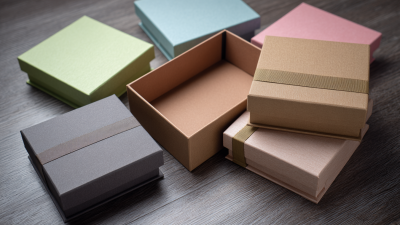
Consider the type of box that best suits your product's shape and weight. For heavier items, choose a box with a higher weight capacity and durable construction. Additionally, take into account the design of the box; options like folding boxes or rigid boxes may offer better protection depending on your item’s specifics. Ultimately, the right dimensions combined with suitable materials will enhance the safety and presentation of your packages, ensuring they arrive at their destination intact and looking great.
How to Choose the Perfect Cardboard Box for Your Packaging Needs
| Box Type |
Dimensions (inches) |
Weight Capacity (lbs) |
Uses |
| Regular Slotted Container (RSC) |
12 x 12 x 12 |
30 |
Shipping, Storage |
| Die-Cut Box |
10 x 8 x 5 |
25 |
Retail Packaging |
| Multi-Depth Box |
20 x 16 x 12 (Adjustable) |
40 |
Variable Products |
| Flat Box |
14 x 12 x 2 |
15 |
CDs, Documents |
| Heavy-Duty Box |
18 x 18 x 18 |
70 |
Tools, Heavy Items |
Understanding Material Strength: Choosing Between Single-Wall and Double-Wall Boxes

When it comes to packaging needs, understanding the strength of materials is crucial in selecting the right cardboard box. The primary options available are single-wall and double-wall boxes. According to industry insights from the Fibre Box Association, single-wall boxes are made from a single layer of fluted paper sandwiched between two liners, making them suitable for lightweight items and less demanding shipping conditions. They typically have a compression strength of around 32 ECT (Edge Crush Test), which is adequate for everyday shipping tasks.
On the other hand, double-wall boxes consist of two layers of fluting and three liners, offering superior strength and protection. They are rated at 44 ECT or higher, making them ideal for heavier items or for shipping products that require extra support during transit. According to a report by Smithers Pira, the global demand for double-wall boxes has increased by 7% annually, highlighting their growing prevalence in industries that prioritize the safety and integrity of their products during shipping. Choosing the appropriate box type not only ensures the protection of contents but also optimizes shipping costs, as the strength of the box can directly influence freight rates.
Cost-Effective Strategies for Sourcing Quality Cardboard Packaging Solutions
When it comes to sourcing quality cardboard packaging solutions, cost-effectiveness should be at the forefront of your strategy. Start by evaluating your specific packaging needs and identifying the dimensions, weight, and fragility of your products. This initial assessment allows you to determine the type of cardboard box required without overspending on unnecessary features. Look for suppliers who offer custom solutions that cater to your unique requirements, as this can often lead to savings in both materials and shipping costs.
Another effective strategy is to establish long-term relationships with reliable suppliers. By negotiating bulk purchase agreements or recurring orders, you can unlock discounts and better pricing structures. Additionally, don’t overlook the potential of sourcing cardboard boxes locally to reduce transportation costs and contribute to sustainability. Finally, consider using eco-friendly materials; not only can this decrease waste and appeal to environmentally conscious consumers, but it can also potentially lower costs through tax incentives and increased brand loyalty.