How to Choose the Best Cardboard Box Packaging for Your Needs?
When it comes to selecting the right Cardboard Box Packaging, understanding your needs is crucial. Industry expert, Emily Carter, emphasizes, "The right packaging can make or break your product's success." This statement highlights the importance of choosing wisely. Cardboard box options vary greatly, so precise selection is essential.
Many businesses overlook details in their packaging decisions. The size, strength, and design matter more than they might realize. A poorly chosen box can lead to damage during transport. Visual appeal is also important for customer experience. If the box looks cheap, the product might be perceived the same way.
Additionally, not all cardboard is created equal. Specific types excel in different situations. Some boxes offer better insulation, while others provide sturdiness. Ignoring these factors could lead to disappointment. Take the time to explore your options. Create a packaging solution that reflects your brand. A little reflection can go a long way in making the best choice in Cardboard Box Packaging.

Types of Cardboard Boxes and Their Uses
Choosing the right cardboard box can be challenging. Different types serve various purposes. Understanding these types helps in making an informed decision.
Regular Slotted Containers (RSC) are common. They are sturdy and easy to assemble. Ideal for shipping and storage, they hold a variety of products well. Another type is the Die-Cut Box. It offers flexibility in design and size. This customization can be advantageous but sometimes leads to overcomplicated designs that don’t always protect contents effectively.
For heavier items, use Double-Wall Boxes. They provide extra strength, but they can be bulky. For delicate items, consider Corrugated Boxes. They have cushioning properties, but often lack the protective edges needed. Carefully evaluate your needs. The right choice can minimize damages during transit. A mistake here can result in higher costs.
Key Factors to Consider When Choosing Cardboard Boxes
When selecting cardboard box packaging, there are several key factors to weigh. Size is crucial. You want boxes that fit your products snugly. Too large a box can lead to items shifting during transport. On the other hand, an undersized box can cause damage. Think about the dimensions carefully.
The strength of the cardboard is another important consideration. Different grades exist for various needs. Heavy items need thicker, sturdier boxes. If you’re packing lighter items, a standard-grade box may suffice. Additionally, the box's construction affects its durability. Four-corner or die-cut designs often provide extra support.
Environmental impact is worth reflecting on too. Many options, such as recycled cardboard, offer sustainable choices. This can enhance your brand’s image while being eco-friendly. It’s essential to find a balance between cost and quality. Saving money shouldn't come at the expense of reliability and safety. Rethink your requirements before making choices. Unpacking these aspects will lead you to the right solution.
How to Choose the Best Cardboard Box Packaging for Your Needs?
| Factor |
Description |
Importance |
Examples of Use |
| Size |
Choose the right dimensions based on the products to be packed. |
Critical |
Shipping electronics, storing household items |
| Material Strength |
Thicker walls for heavier or fragile items. |
High |
Moving, packaging glass items |
| Cost |
Consider budget while ensuring quality. |
Medium |
Bulk purchasing for retail |
| Environmental Impact |
Opt for recyclable or biodegradable options. |
Increasingly Important |
E-commerce, sustainable brands |
| Closure Type |
Choose between tape, glue, or interlocking designs. |
Moderate |
Storage, shipping logistics |
Assessing the Size and Weight Requirements for Packaging
When choosing cardboard box packaging, size and weight are crucial factors. You must consider the product dimensions carefully. Measure height, width, and depth accurately. If the box is too large, items may shift, leading to damage. A snug fit is important yet doesn't compromise safety. Sometimes, a smaller box also reduces shipping costs, which can be beneficial.
Weight is another essential criterion. Heavy items need stronger boxes. Thin cardboard may not support their weight. It’s wise to assess the materials used. Could a different thickness work better? Proper weight handling ensures the safety of your package during transit. Remember, overpacking can lead to unnecessary expenses. There’s a fine line between what’s needed and what’s excess.
Think about your branding as well. The wrong size might appear unprofessional. Customers appreciate neat packaging that reflects quality. Reflect on how the box fits into the overall customer experience. Packaging matters more than most realize. Strive for practical solutions without sacrificing aesthetics. The balance between functionality and presentation is delicate but important.
Cardboard Box Size and Weight Assessment
This bar chart represents the number of cardboard boxes required based on different size and weight categories. It helps in assessing the packaging needs effectively.
The Importance of Sustainability in Cardboard Box Selection
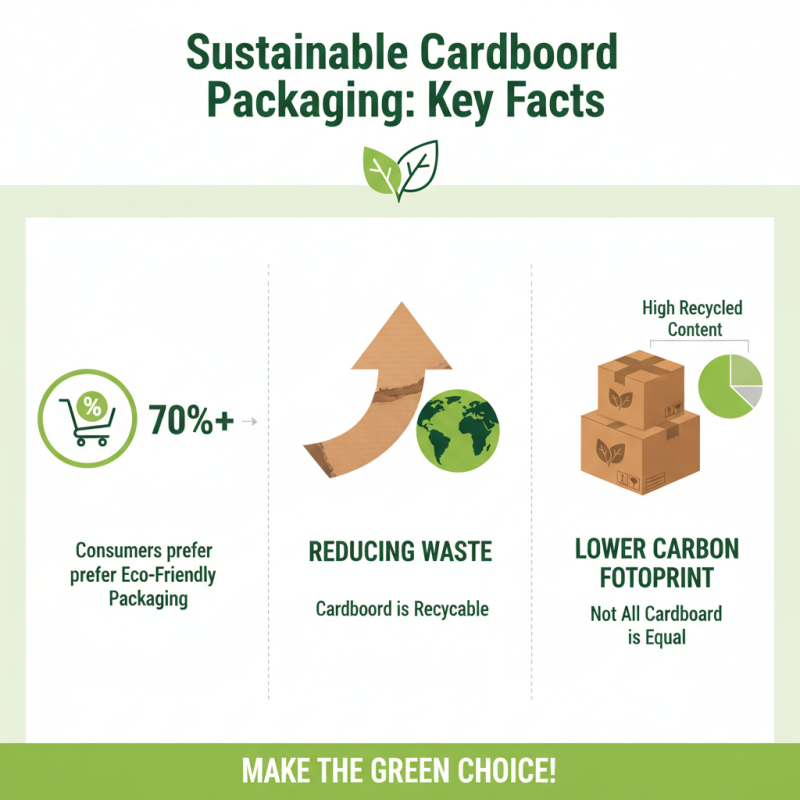
When selecting cardboard box packaging, sustainability is crucial. Current studies show that over 70% of consumers prefer eco-friendly packaging. This shift reflects growing environmental awareness. Cardboard is often recyclable, reducing waste. However, not all cardboard is created equal. Some options have more recycled content than others, contributing to a lower carbon footprint.
Tips: Look for certifications like FSC or SFI. These indicate responsible sourcing. Additionally, consider the material's lifecycle. Is the box biodegradable? Does it have a high recycled content? Every little detail matters.
Even with good intentions, mistakes happen. Some boxes may lack proper recycling instructions. This can cause confusion for consumers. It's essential to communicate clearly on your packaging. Effective labeling can enhance recycling rates. Ultimately, choosing sustainable cardboard not only benefits the environment but also aligns your brand with consumer values.
Customizing Cardboard Packaging for Branding and Protection
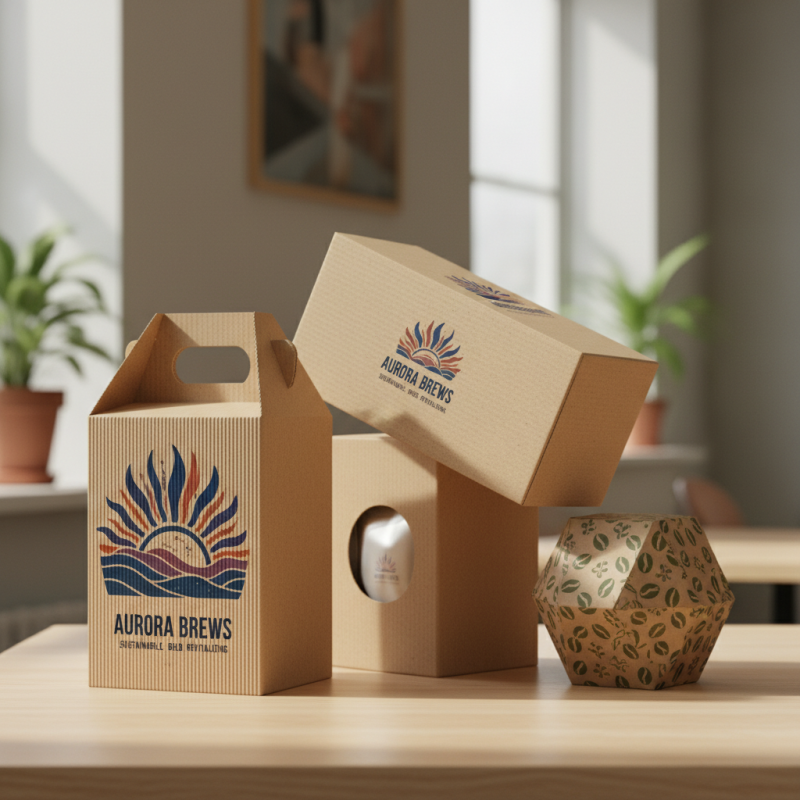
Customizing cardboard packaging goes beyond mere functionality. It’s an opportunity for brands to establish a unique identity. Color, shape, and design can all reflect a brand’s personality. This is vital in today's competitive market. For instance, a bold color scheme can attract attention, but it must align with your overall branding strategy.
Protection is another key aspect. Cardboard can be sturdy but fragile under certain conditions. Choosing the right thickness is essential for safeguarding products. Custom inserts or padding can enhance protection. It’s important to evaluate your product's needs carefully. Do not overlook the environmental impact of your choices. Sourcing sustainable materials could enhance brand perception. However, it may require more research and effort. Balancing aesthetics and functionality while minimizing waste is a challenge many face.