How to Choose the Best Cardboard Box Packaging for Shipping?
Selecting the right cardboard box packaging for shipping is crucial. The global cardboard box market is projected to reach $400 billion by 2025. This growth highlights the importance of effective packaging solutions for businesses. Expert Jane Smith emphasizes, “Optimal packaging ensures products arrive safely and customers remain satisfied.”
Choosing the ideal packaging requires consideration of various factors. These include product dimensions, weight, and fragility. Many businesses overlook these details. As a result, they face increased return rates and damaged goods. In fact, about 30% of all shipping damage stems from inadequate packaging.
Creating a robust packaging strategy is essential. Poor choices can lead to wasted materials and added costs. Efficient cardboard box packaging maximizes both shipping and environmental sustainability. A balance must be found. A well-informed decision can significantly enhance customer experience while maintaining cost-effectiveness.

Factors to Consider When Selecting Cardboard Box Packaging
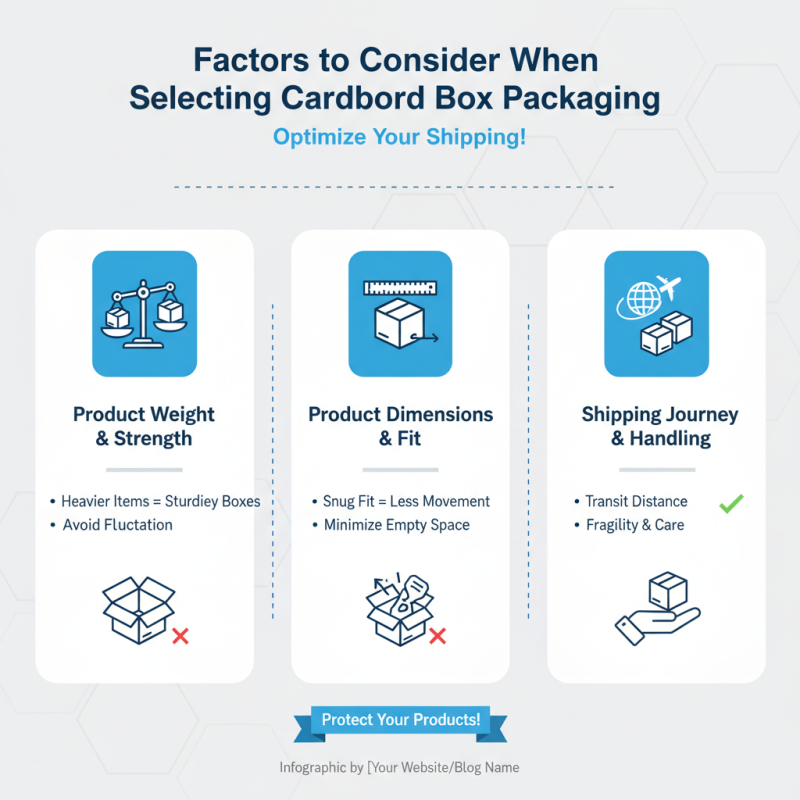
Choosing the right cardboard box packaging for shipping can be tricky. There are several factors to consider. First, you need to assess the weight and dimensions of your product. Heavier items need sturdier boxes. A flimsy box may not hold up during transit. Think about the size as well. Boxes that are too large can lead to movement inside, risking damage.
Next, consider the type of cardboard. There are single-wall and double-wall options. Single-wall boxes are lighter but not as durable. Double-wall boxes offer more protection but at a higher cost. Think about your budget. Higher quality materials mean your items are safer but can add to shipping expenses. Reflections on how much you are willing to invest may be necessary.
Lastly, evaluate the environmental impact. Recycled cardboard is an option but may not always be the best choice for fragile items. You might need to balance durability against sustainability. Ordering the wrong size or type can lead to frustration and extra costs. Reflecting on these decisions ultimately helps you make better choices for your shipping needs.
Types of Cardboard Boxes for Different Shipping Needs
When selecting cardboard boxes for shipping, consider the specific needs of your products. Different items require different boxes. For lightweight products, a standard corrugated box is often sufficient. These boxes provide reasonable protection without adding much weight. However, fragile items need special care. Use double-walled boxes for extra strength and cushioning.
Tips: Always check the box size. A snug fit reduces movement during transit. Make sure to use packing materials like bubble wrap for added protection.
For oversized or bulky items, consider using large shipping boxes for stability. These boxes can support heavier loads but may require careful handling. If shipping perishables, insulated boxes are essential. They help maintain the right temperature during transit.
Tips: Don't forget to label your boxes correctly. Clear labels prevent delays and mishandling. Be cautious about the box's strength. A weak box might collapse and damage your products.
Measuring Your Items for the Right Box Size
When shipping items, selecting the right box size is crucial. Begin by measuring the dimensions of your products carefully. Use a ruler or tape measure to record the length, width, and height. Ensure accuracy, as even small discrepancies can lead to problems during transit.
Consider the shape and fragility of your items. Oddly shaped or delicate objects may require custom packaging solutions. Do not underestimate the importance of padding materials. Sometimes, a box may seem adequate, but without cushioning, the contents can shift and sustain damage.
It can be tempting to choose larger boxes for extra space. However, too much empty space increases the risk of movement. Revisit your measurements and double-check them. Packaging mistakes can be costly. Take your time to select the right box that fits snugly around your items. This attention to detail will protect your goods and ensure they reach their destination safely.
Cardboard Box Sizes for Shipping: A Comparative Analysis
Understanding Weight Limits and Durability Requirements
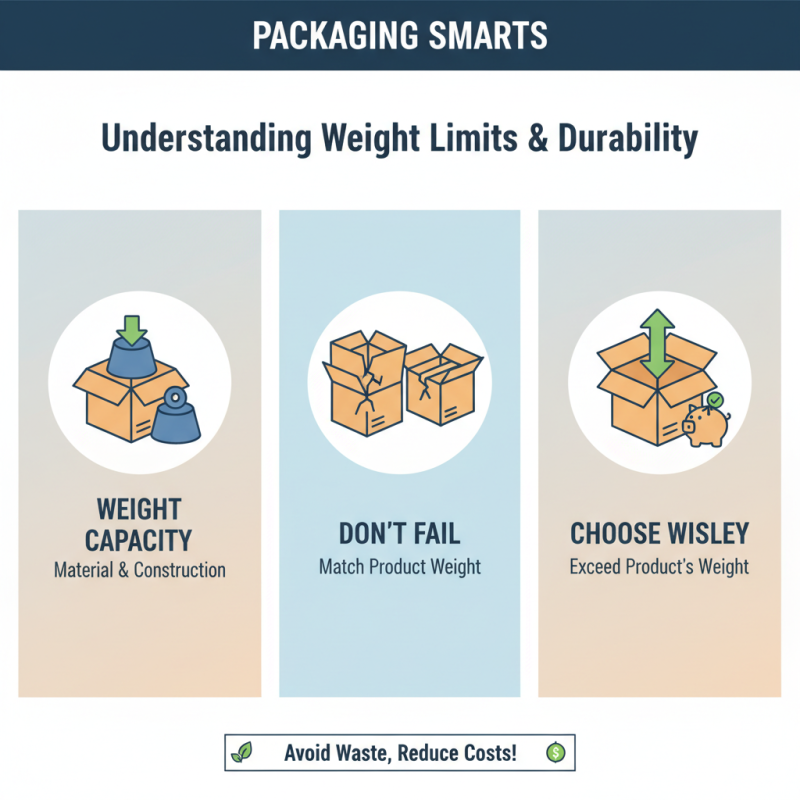
When selecting cardboard box packaging, understanding weight limits and durability is critical. Each box has a weight capacity, often dictated by its material and construction. Lightweight boxes may seem appealing, but they can fail under pressure. Consider the weight of your product, then choose a box that exceeds that weight. Overestimating can lead to wasted resources and increased shipping costs.
Durability requirements vary based on the shipping journey. If boxes will be stacked or exposed to moisture, opt for thicker materials or added layers. Consider the type of cardboard: flute sizes and grades affect strength and resistance. Boxes with a higher fluting number tend to be more durable. But too much durability can increase costs. It's a balance that needs thought.
Lastly, think about the environmental impact. Some materials are biodegradable, while others are not. Choosing eco-friendly options may seem more costly but can save long-term expenses. Ensure your packaging protects your product, while also considering weight and durability. It's a challenge that requires careful consideration and might not always have a clear solution.
Sustainability Options in Cardboard Box Packaging Choices
Sustainability is crucial in choosing cardboard box packaging. Many options exist, but not all are environmentally friendly. Recycled cardboard is a popular choice. It reduces waste and uses fewer resources. However, some recycled boxes may lack strength, especially for heavy items. You must consider the balance between sustainability and durability.
Eco-friendly coatings are another consideration. These coatings can protect the box without harmful chemicals. However, the availability and quality can vary. Always check if the coating is truly eco-conscious. Remember, even with sustainable materials, shipping distances matter. Reducing travel distance cuts down carbon footprints.
The size of the box also impacts sustainability. Oversized boxes lead to wasted space and materials. It’s important to measure items accurately before shipping. This practice helps minimize waste. Moreover, while choosing sustainable packaging, remain aware of potential trade-offs. These boxes could be more expensive or less durable. Evaluate your specific shipping needs carefully.