Choosing a China-based Cardboard Box supplier requires more than comparing factory prices. Global buyers need evidence of experience, stable quality, and practical export capability. A reliable supplier should understand flute types, paper grades, edge crush strength, moisture resistance, and compression testing. These details matter when boxes travel through humid ports, crowded warehouses, and long delivery routes.
Real production experience is visible in small things. Samples should show clean creases, accurate dimensions, firm joints, and readable printing. Buyers should also review factory audits, quality records, material traceability, and previous export projects. A supplier with modern die-cutting equipment may still struggle with communication or inconsistent batch control. That weakness deserves attention.
“Packaging can be theater, it can create a story,” said Jonathan Ive, a respected product and packaging design authority. His observation applies to shipping cartons as well as retail packaging. A well-designed Cardboard Box protects products, presents a professional brand image, and reduces unnecessary material use. It should open smoothly, stack safely, and fit the product without excessive empty space.
China remains an important sourcing market because many manufacturers offer flexible customization, competitive production capacity, and integrated printing services. However, low cost alone is not proof of value. Paper prices change, specifications can be misunderstood, and quality may vary between trial orders and mass production. Careful buyers should confirm tolerances, packaging standards, inspection procedures, and delivery terms in writing. Even experienced purchasers can overlook one measurement. That is worth remembering. This guide examines how global buyers can identify dependable suppliers and make better Cardboard Box decisions.
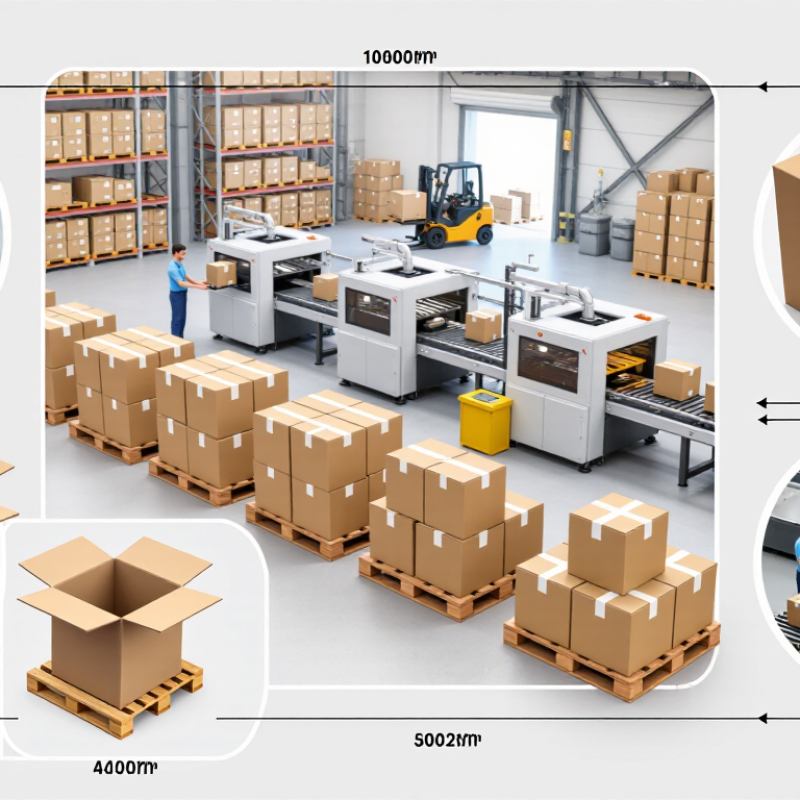
Chinese manufacturers supply cardboard boxes for many commercial uses. Corrugated shipping boxes remain the most common choice for export packaging. They use single-wall or double-wall structures, depending on product weight and transport distance. Flute profiles such as B, C, and E provide different strength and surface finishes. Smaller E-flute boxes often suit retail products and printed mailers.
Folding cartons offer clean presentation for cosmetics, household goods, and packaged items. Rigid boxes provide a firmer structure for premium presentation and gift packaging. Die-cut mailer boxes can close without extra tape, which helps simplify packing operations. Manufacturers also produce partitioned boxes, sleeve boxes, display cartons, and custom inserts. Recycled kraft paper is widely available, but its appearance and strength can vary between batches.
Experienced suppliers usually confirm dimensions, board grade, printing method, compression needs, and delivery conditions before quoting. Buyers should request samples and test stacking, moisture exposure, and edge damage. A box that looks strong may still fail during long-distance handling. I have seen attractive packaging lose its shape because the inner clearance was poorly calculated. That mistake is easy to miss. Reliable production also requires approved samples, documented tolerances, and inspection before shipment. Clear specifications reduce misunderstandings between overseas buyers and Chinese factories.
| Cardboard Box Type | Typical Construction | Common Material Options | Typical Applications | Key Buyer Requirements | Export Considerations |
|---|---|---|---|---|---|
| Regular Slotted Carton (RSC) | Four flaps with standard slots; the most widely used corrugated shipping format. | Single-wall or double-wall corrugated board; kraft or recycled liner. | E-commerce, general merchandise, appliances, spare parts and warehouse distribution. | Internal dimensions, board grade, stacking strength, print coverage and closure method. | Confirm flat-packed dimensions, pallet layout, moisture protection and container utilization. |
| Full Overlap Carton | Top and bottom flaps fully overlap to create reinforced panels. | Heavy-duty single-wall or double-wall corrugated board. | Heavy products, dense components, industrial parts and long-distance transport. | High compression strength, accurate scoring, strong edge crush and secure strapping. | Specify stacking duration, pallet height, shipping climate and handling conditions. |
| Die-Cut Mailer Box | One-piece precision-cut structure with tuck flaps, locking tabs or dust flaps. | Folding carton board or lightweight corrugated board. | Online retail orders, subscription products, cosmetics, accessories and small consumer goods. | Easy assembly, precise die cutting, retail appearance and protective internal fit. | Check dimensional-weight charges, barcode readability and compatibility with fulfillment systems. |
| One-Piece Folder Box | A single die-cut blank folds around the product and may include locking or tuck closures. | E-flute corrugated board, kraft board or coated folding carton board. | Books, electronics accessories, garments, gifts and flat or semi-flat products. | Clean folding lines, low material waste, product fit and tamper-resistant closure. | Request a folding sample before mass production, especially for tight tolerances. |
| Five-Panel Wraparound Box | A long blank wraps around the product, often reducing the need for separate end panels. | Single-wall corrugated board, commonly selected for long or narrow items. | Frames, panels, trim, flat-pack components and elongated products. | Accurate wrap dimensions, corner protection, sufficient overlap and easy packing. | Measure the product at its widest points and verify pallet overhang limits. |
| Telescopic Box | Separate body and lid or two sections designed to slide over one another. | Rigid corrugated board, laminated board or heavy-duty double-wall board. | Long products, artwork, furniture components and products requiring adjustable depth. | Smooth sliding fit, reinforced corners, sufficient overlap and dimensional stability. | Allow for tolerance changes caused by humidity during ocean or cross-border transport. |
| Pallet-Ready Heavy-Duty Carton | Reinforced corrugated case designed for pallet stacking and mechanical handling. | Double-wall or triple-wall corrugated board with high-strength liners. | Machinery, bulk components, furniture parts and high-density industrial products. | Edge Crush Test, Box Compression Test, puncture resistance and stable pallet pattern. | Coordinate box size with the destination pallet standard and maximum gross weight. |
| Retail Display Box | Packaging designed to ship products and convert into an in-store display. | Printed corrugated board with tear-away panels or perforated sections. | Retail promotions, food-service items, household goods and point-of-sale displays. | Display stability, print quality, tear-line accuracy and fast shelf setup. | Confirm retail handling, language requirements, recycling marks and color approval process. |
| Partitioned Box | Outer carton fitted with dividers, cells or inserts to separate individual items. | Corrugated partitions, molded pulp inserts or paperboard dividers. | Glassware, bottles, lighting components, electronics and fragile products. | Cell spacing, cushioning performance, insert assembly and vibration resistance. | Conduct transport testing with the filled package and specify orientation markings if needed. |
| Moisture-Resistant Shipping Box | Standard carton structure with a moisture-resistant treatment or protective outer layer. | Water-resistant corrugated board, coated liners or compatible barrier treatment. | Cold-chain secondary packaging, humid-climate shipping and products exposed to condensation. | Moisture resistance, compression retention, seam performance and recyclable-material targets. | Confirm the required test method, storage humidity, container conditions and local recycling rules. |
Specifications should be finalized according to product weight, dimensions, stacking conditions, transport distance, climate and applicable destination-market packaging requirements.