What is Box Paper and How is it Used?
Box Paper plays a crucial role in various industries, serving as a primary material for packaging and printing. According to a recent industry report, the global box paper market is projected to reach $200 billion by 2027, highlighting its importance. The versatility of Box Paper allows it to be used for everything from shipping cartons to sophisticated marketing materials.
In the e-commerce sector, the demand for sustainable packaging solutions has surged. Many companies are shifting towards Box Paper due to its recyclability and lower environmental impact. This trend is not without challenges. While Box Paper is an eco-friendly option, the industry faces issues like inconsistent quality and supply chain obstacles.
Moreover, the demand for Box Paper can fluctuate, affecting its availability and pricing. Businesses must adapt to these changes to ensure their operations remain efficient. As the market evolves, understanding the uses and benefits of Box Paper becomes essential for companies aiming to maintain a competitive edge.
What is Box Paper?
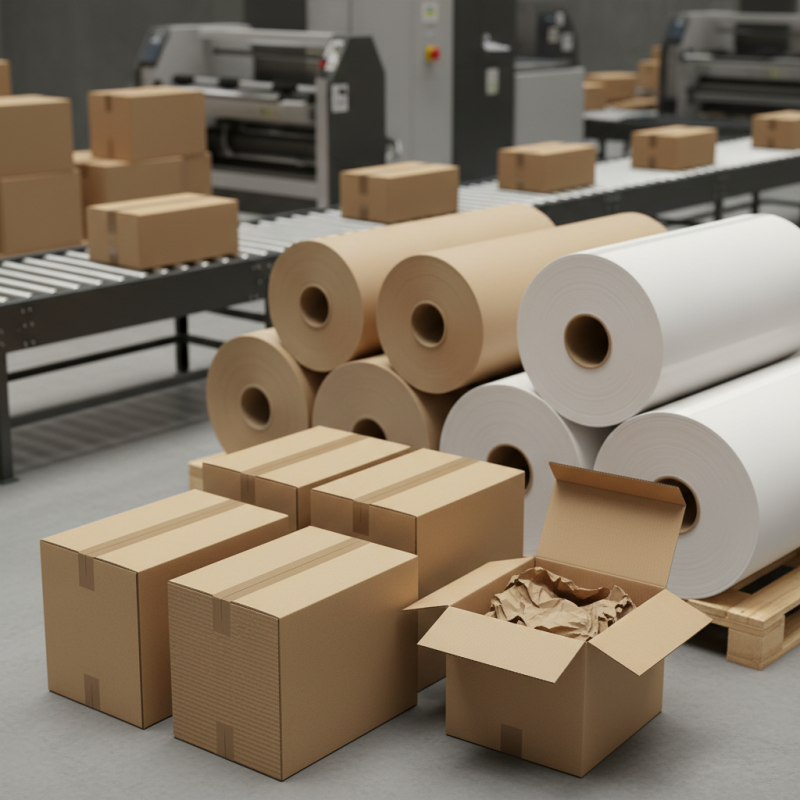
Box paper is a versatile material widely used in packaging and crafting. It typically comprises recycled fibers, which makes it eco-friendly. In recent years, the demand for sustainable products has increased, with studies showing that 70% of consumers prefer environmentally responsible packaging options. This shift underscores the importance of box paper in today’s market, promoting a greener alternative.
The paper's thickness and durability make it suitable for various applications. Industries often use box paper for shipping boxes, retail packaging, and even displays. According to reports, the global box paper market is projected to grow by 4.5% annually. This growth reflects its fundamental role in supply chains. However, quality sometimes varies, leading to issues with tear resistance or printability. Such inconsistencies can affect branding and product presentation.
Innovations are continually being introduced to enhance box paper's functionality. Recently, manufacturers have developed moisture-resistant options, catering to perishable goods. Nevertheless, some projects still use subpar materials, failing to meet industry standards. Striking a balance between cost and quality remains a challenge. As the demand rises, understanding box paper's properties is essential for effective use in packaging solutions.
What is Box Paper and How is it Used? - What is Box Paper?
| Dimension |
Description |
| Material Type |
Paperboard, typically made from recycled materials. |
| Thickness |
Varies between 0.2 mm to 0.8 mm. |
| Common Uses |
Packaging for products, gift boxes, and storage solutions. |
| Environmental Impact |
Often recyclable and biodegradable, contributing to less waste. |
| Color Options |
Available in a variety of colors including brown (kraft) and white. |
| Printing Capability |
Can be printed on with various designs and logos. |
| Strength |
Sturdy structure suitable for protecting the contents. |
Characteristics and Properties of Box Paper
Box paper, often used in packaging, showcases unique qualities.
It's sturdy and durable, making it perfect for transporting goods.
The texture varies; some may be smooth, while others have a rough feel.
This diversity in texture can impact printing. Colors can change depending on the manufacturing process.
Another notable aspect is its weight. Box paper comes in different weights, which affects its strength.
Lighter options are good for simple packages, while heavier types support more substantial items.
But weight matters. If it's too heavy, it may increase shipping costs unnecessarily.
Users need to weigh their options wisely.
The environmental impact also raises questions.
Some box paper is recyclable, while others may not be.
Using recycled materials can be better for the planet, but sourcing them can pose challenges.
Quality control might suffer at times. While box paper offers many advantages, its characteristics can lead to difficult choices
in design and functionality.
Common Uses of Box Paper in Packaging and Shipping
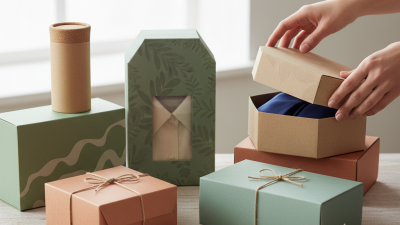
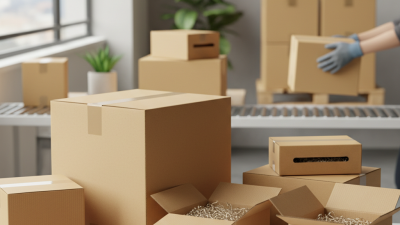
Box paper is a versatile material widely used in packaging and shipping. It provides strength and durability, making it an excellent choice for various products. Commonly, businesses utilize box paper for creating cartons to ship goods. These cartons can be customized in size and design, ensuring that products are securely packed.
In packaging, box paper excels at protecting items during transit. It absorbs shock and minimizes damage. Many companies use double-walled box paper for heavy items. This offers extra protection. Lightweight items benefit from single-wall box paper, which is easy to handle and cost-effective.
Additionally, box paper can be printed with branding or product information. This enhances recognition and improves customer experience. However, businesses sometimes overlook sustainability. Choosing eco-friendly options and recycling practices is vital. The industry needs to shift focus towards more responsible materials.
Common Uses of Box Paper in Packaging and Shipping
Environmental Impact of Using Box Paper
Box paper is a versatile material used in various applications, but its environmental impact raises concerns. The production of box paper often involves deforestation. Trees are cut down, which disrupts ecosystems and harms wildlife. This practice contributes to the loss of biodiversity, a critical issue we face today.
Moreover, the manufacturing process of box paper consumes large amounts of water and energy. Factories release pollutants into the air and water, affecting local communities. While recycling can mitigate some damage, many materials still end up in landfills. This leads to increased waste and a strain on the environment.
It’s essential to critically evaluate our choices. Are we using box paper responsibly? The convenience of box paper should not overshadow its significant environmental consequences. Transitioning to sustainable alternatives is necessary. Making small changes can create a positive impact on our planet. Each decision counts in this global challenge.
Comparison with Other Types of Paper Products
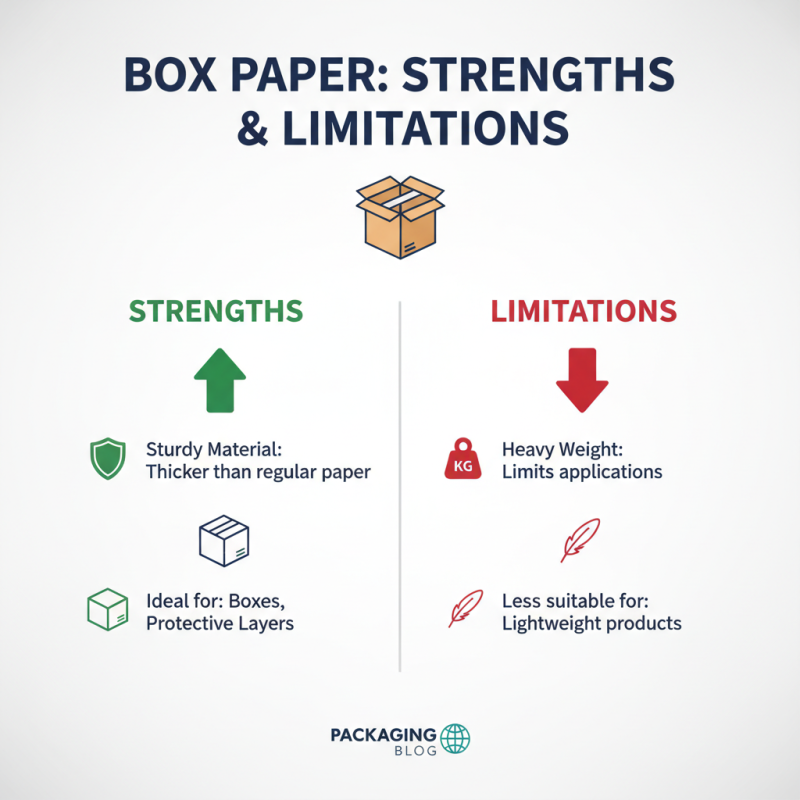
Box paper is a sturdy material designed for packaging. It is thicker than regular paper. This thickness makes it ideal for creating boxes and protective layers. However, its heavy weight can limit its use for some applications. For instance, lightweight products may not need such robust packaging.
When comparing box paper with other types, the differences become clear. Cardstock offers a more rigid option, while tissue paper is thinner and more delicate. Each type serves a specific purpose. Box paper excels in durability but can feel bulky in some designs. In contrast, cardstock is often chosen for printed materials like invitations, while tissue paper is used for wrapping fragile items.
Not all projects require box paper. Sometimes, waste occurs when over-packaging happens. Reassessing needs can prevent this. Packaging choices should align with product requirements and sustainability standards. That's always a balance to consider. The right paper type can enhance the user experience significantly, but the decision process can be complex.