Top Box Magnet Packaging Suppliers for Global Buyers
Global buyers need packaging that protects products and supports a consistent brand experience. Box Magnet Packaging combines a rigid structure with a magnetic closure, creating a clean presentation for premium goods, corporate gifts, and retail sets. The box should open smoothly. It should also stay closed during handling. Small details matter, from hinge alignment to the feel of the paper wrap.
Choosing among suppliers takes more than comparing catalog photos. Buyers should review material options, sample quality, production capacity, and communication practices. Ask for clear specifications, including box dimensions, board thickness, surface finishes, and magnet placement. A physical sample can reveal issues that a digital mock-up misses. Check how the supplier handles revisions, packaging for shipment, and quality checks before dispatch. These details help prevent costly surprises.
This guide introduces factors to consider when evaluating top box magnet packaging suppliers for global orders. It covers supplier experience, customization, lead times, pricing transparency, and support for repeat production. Request evidence where possible, such as factory information, product samples, and documented inspection steps. Claims alone are not enough. Still, no supplier is perfect, and a polished sample may not represent every production run. Buyers should compare options carefully, ask direct questions, and leave time for revisions. A little caution can make the final choice more reliable.
What Box Magnet Packaging Is and How It Is Used
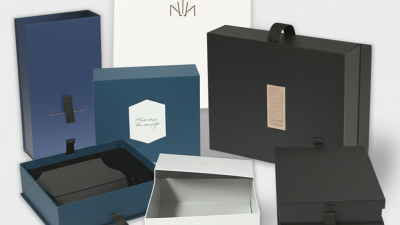
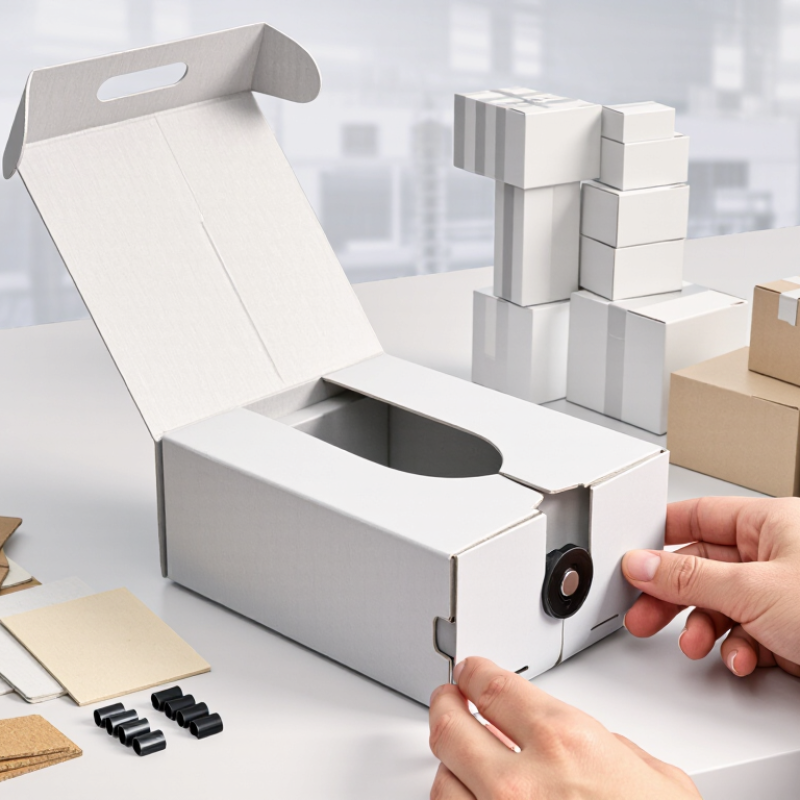
Box magnet packaging usually means a rigid paperboard box with magnets hidden inside its lid and front panel. The magnets hold the lid shut without a visible clasp or tie. A wrapped paper surface, neat corners, and a firm opening flap give the box its familiar, structured feel. Small details count.
These boxes are commonly used for gift sets, cosmetics, electronics, and small accessories. A watch or glass bottle can sit in a fitted insert, while the outer box protects it during handling and presents it neatly at unboxing. The format also allows space for printed product information or a simple card.
A buyer should check the box dimensions, insert fit, board thickness, and closure strength against the actual product. Ask for a sample and open it repeatedly; a lid that feels fine once may loosen or feel awkward in daily use. Magnets need to be positioned accurately, and heavier contents may need extra support. It is not always the right choice. The added structure and materials can increase cost and storage space, so a simpler carton may suit lightweight products better.
How to Evaluate Box Magnet Packaging Suppliers
A reliable box magnet packaging supplier should explain how each box is made, not just show polished product photos. Ask for board thickness, paper type, magnet placement, and acceptable size tolerances. A lid that sits unevenly may look minor in a sample, but it can weaken presentation across a full shipment. Check the hinge, wrapped corners, and opening feel by handling several samples. Small details matter.
Request samples made with the materials and production method planned for your order. Test whether the lid closes securely after repeated use, and inspect for loose magnets, surface marks, or gaps. Ask how the supplier checks consistency between production batches and what happens when defects appear. Clear answers are useful. Vague promises are not. Review relevant quality records, production capacity, lead times, and export packing methods, then compare these against your own schedule and requirements. Price alone can hide trade-offs in board quality or finishing. One imperfect sample does not prove a supplier is unreliable, but it should prompt specific questions and a second check. Good communication before ordering is a practical sign of how issues may be handled later.
How to Evaluate Box Magnet Packaging Suppliers
Suggested evaluation weights for comparing suppliers. Adjust the weighting to match your product requirements and purchasing priorities.
These percentages are a buyer-defined evaluation framework, not measured supplier performance or a market survey. Assess each supplier against the same criteria before making a decision.
Which Manufacturing and Quality Standards Matter
A reliable box magnet supplier should define measurable standards before production begins. Specify board thickness, finished dimensions, wrap-paper color tolerance, corner alignment, and acceptable surface marks. A lid that shifts by two millimeters can feel careless, even when the box remains usable. Details matter.
Ask how quality checks are recorded at incoming, in-process, and final inspection. An ISO 9001-based quality system can indicate disciplined procedures, but certification alone does not prove every order meets its specification. Request recent inspection records and agree on a sampling plan, defect categories, and corrective-action process. For paper sourced under environmental claims, check whether traceability documents support those claims. Keep records.
Test the actual construction, not only a polished sample. Check magnet retention after repeated opening, adhesive bonding, scuff resistance, and box performance under compression or shipment trials. Set test conditions that reflect the buyer’s product weight and shipping route. Samples can deceive. A hand-finished prototype may not match a large production run, so approve a pre-production sample and compare random finished units against it. Some tolerances will need negotiation; pretending every batch is identical is not realistic.
How Global Buyers Can Compare Pricing and Logistics
Global buyers should compare box magnet packaging quotes on identical specifications, not unit price alone. State box dimensions, board thickness, magnet placement, wrap paper, finish, inserts, and order quantity. A sample with a real product inside can reveal lid alignment and whether the closure feels secure. Request separate costs for sampling, tooling, packing, and freight. A low unit price can still become an expensive choice.
The World Bank’s 2023 Logistics Performance Index compares 139 economies across six dimensions, including customs, tracking, and timeliness. Use destination-country performance as one planning signal, then compare each supplier’s stated production time, dispatch port, shipping mode, and delivery estimate. UNCTAD’s Review of Maritime Transport 2024 also documents how route disruptions affected shipping schedules and freight markets. Ask for quotes using the same Incoterm and shipment volume. Forecasts are never exact. Even careful spreadsheets miss things.
Tips: Check carton dimensions and gross weight before approval. Ask whether lead times include sample approval and peak-season delays. Keep the final packaging specification in writing.
What to Check Before Approving a Supplier Agreement
Top Box Magnet Packaging Suppliers for Global Buyers
What to Check Before Approving a Supplier Agreement
A supplier agreement should turn the approved box sample into measurable requirements. Specify dimensions, board thickness, wrapping material, hinge position, magnet placement, and closure strength. Ask for tolerances, not just target measurements. A lid that sits flush on one sample may shift during mass production. Small detail, real impact. Keep a signed reference sample or clear photographs attached to the agreement.
Define how quality will be checked before shipment. The agreement can name inspection points, acceptable surface marks, color expectations, and a simple test for secure closure. Confirm who pays for rework if boxes arrive crushed or magnets are misaligned. Also clarify when production time begins. Is it after deposit, artwork approval, or sample approval? That distinction can affect delivery dates. It is an easy gap to miss.
Review payment milestones, packaging for transit, and responsibility for freight damage. Specify carton labels and documents needed for your destination. If materials or dimensions change, require written approval before production continues. Include how tooling costs and ownership are handled, where relevant. A long agreement may still leave practical questions unanswered; read it beside the sample and purchase order. The paperwork can look complete, yet one vague tolerance may cause avoidable disputes.