Best Boxes For Clothes Storage Tips You Need to Know?
When it comes to effective clothing storage, choosing the right boxes for clothes is crucial. According to a report by Statista, the global storage and organization market is expected to reach $18.64 billion by 2026. This growth reflects the increasing need for efficient home organization solutions. Properly selected boxes not only save space but also protect your garments from dust and damage.
Many people overlook the importance of quality storage boxes. Not all boxes for clothes are created equal. Some may be too flimsy, while others might not allow for proper ventilation. This can lead to mold or musty smells, which no one wants in their wardrobe. The right materials enhance durability and keep your clothes fresh.
A common mistake is assuming that size doesn't matter. Oversized boxes may lead to wasted space. Conversely, too-small containers can cause wrinkles or make packing difficult. Each choice matters; finding the perfect boxes for clothes requires careful consideration of both functionality and aesthetics.
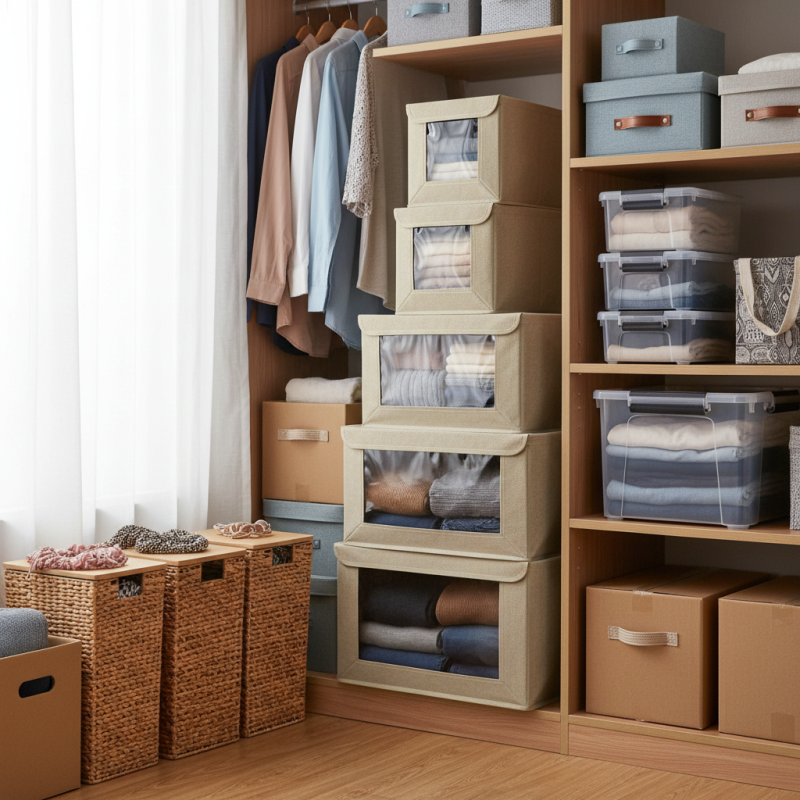
Best Materials for Clothes Storage Boxes: Pros and Cons
When it comes to storing clothes, choosing the right materials is key.
Cardboard boxes are common, but they can attract moisture. They may also get crushed easily, losing their shape.
Plastic bins are popular for their durability. However, some types may not allow air circulation, causing mildew.
Fabric storage bins provide a stylish option. They are often lightweight and easy to move.
However, they may not protect against pests. If you live in a humid area, this can be a concern. Wood boxes add a rustic touch. They usually offer good protection, but they can be heavy and costly.
Here are some tips for choosing the right box. Always consider the climate. If it’s damp, avoid cardboard. Make sure the box size fits your space.
Too large, and it’s hard to manage. Lastly, label each box clearly. It saves time when looking for specific items.
Optimal Sizes for Clothes Storage Boxes Based on Clothing Types
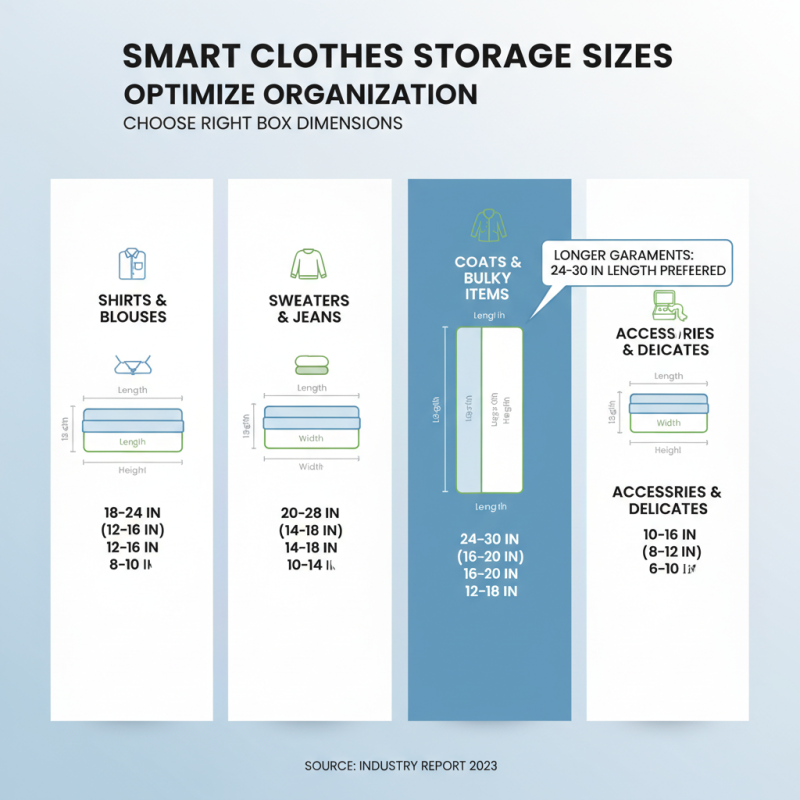
Choosing the right size for clothes storage boxes can enhance organization. Different clothing types also require specific box dimensions. For example, shirts generally take up less space than bulky winter coats. According to a recent industry report, most people prefer boxes that are between 24 to 30 inches long for longer garments.
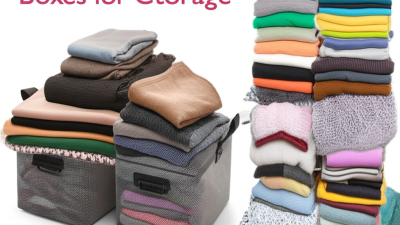
For t-shirts and lighter items, a box size of around 12 to 18 inches in height typically works well. This size allows for easy stacking. Sweaters, however, may need more room, ideally around 24 inches in height. Keeping these nuances in mind can streamline your storage process. Yet many still overlook these specifics.
While high-density polyethylene boxes are popular, they may not suit all clothing types. Some fabrics require breathable materials to prevent mildew. An ideal approach includes mixing plastic and fabric bins based on usage. Ultimately, selecting the perfect sizes for your storage needs is a challenge, but paying attention can yield big rewards in the long run.
Humidity and Temperature Control in Clothes Storage: Must-Know Guidelines
When it comes to clothing storage, controlling humidity and temperature is vital. The ideal humidity level for storing clothes is between 30% and 50%. A report by the Environmental Protection Agency states that higher humidity levels can lead to mold growth. Mold not only damages fabrics but can cause health issues too.
Temperature also plays a crucial role. A consistent temperature between 60°F and 70°F is recommended. Significant fluctuations can weaken fabric fibers over time. Storing clothes in attics or basements often exposes them to temperature extremes. This makes such spaces unsuitable for long-term storage.
Consider using moisture absorbers to maintain humidity levels. They are inexpensive and effective. Alternatively, climate-controlled storage units offer a controlled environment for valuable clothes. Many believe these units are a luxury, but the investment can prevent long-term damage. Reflect on your storage methods and make necessary adjustments. Your clothes deserve the best care possible.
Eco-Friendly Storage Solutions: Sustainable Materials for Clothing Boxes
When it comes to storing clothes, eco-friendly materials can make a big difference. Use boxes made from recycled paper or cardboard. These materials are biodegradable and reduce waste in landfills. Look for storage solutions that have low environmental impact. Consider natural fabrics like cotton or jute for added durability. They offer a breathable environment for your clothing.
Choosing sustainable options is not always easy. Many people overlook the importance of materials. Sometimes, the most attractive boxes aren't the greenest. It’s crucial to prioritize eco-conscious choices. Reflect on what you select for storage. Can you find a balance between aesthetics and sustainability? Aim for boxes that enhance your space while caring for the planet.
Being mindful of your choices can lead to better storage experiences. Explore local artisans who create unique designs from sustainable resources. Their products often tell a story and support the local economy. Keep sustainability at the forefront of your mind, and you’ll find solutions that work for both your home and the environment.
Clothing Storage Solutions Comparison
Organizing Clothes in Storage: Best Practices and Tips from Professionals
Organizing clothes in storage can seem daunting. Research shows that 77% of people find it challenging to keep their clothing organized. Proper storage can help reduce stress and make retrieval easier. Professional organizers recommend several best practices for effective clothes storage.
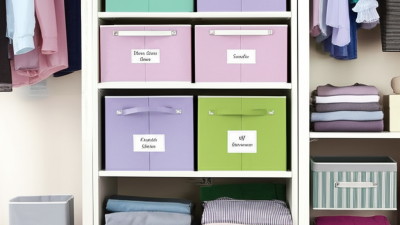
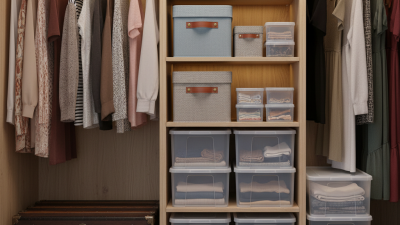
Firstly, consider the type of storage boxes. Clear bins are ideal since they allow you to see contents at a glance. Many experts suggest using breathable fabric bags for seasonal clothes. This keeps them safe from dampness and pests. It’s crucial to fold clothes neatly. Research from the National Association of Professional Organizers indicates that folded clothes take up to 50% less space than hung items.
Labeling is another significant factor. Studies show that about 30% of individuals forget where they placed certain items. This can lead to frustration and chaos. Label boxes with clear, visible titles. Avoid vague terms like “winter clothes.” Be specific, such as “wool sweaters” or “heavy jackets.” Remember, while perfect organization is the goal, imperfection is okay. Don’t stress about making everything flawless. Assess and improve your system over time.
Best Boxes For Clothes Storage Tips You Need to Know
| Storage Box Type |
Material |
Size (L x W x H) |
Best For |
Tip |
| Plastic Storage Bin |
Plastic |
24" x 16" x 10" |
Seasonal Clothing |
Choose bins with lids to protect against dust. |
| Cardboard Box |
Cardboard |
18" x 12" x 12" |
Short-term Storage |
Label boxes clearly to find items quickly. |
| Fabric Storage Bag |
Fabric |
30" x 24" x 10" |
Winter Clothes |
Air out items periodically to prevent odors. |
| Wooden Chest |
Wood |
36" x 18" x 18" |
Long-term Storage |
Keep in a cool, dry place to prevent warping. |
| Under-bed Storage Box |
Plastic |
40" x 20" x 6" |
Maximizing Space |
Use vacuum-sealed bags to save space. |