Best Packaging Box for Clothes What to Consider?
When it comes to retail, choosing the right packaging box clothes is essential. A well-designed box protects items and enhances the shopping experience. Customers expect quality not just in the product but also in its presentation. An appropriate packaging box can attract attention and build brand loyalty.
Consider the material of the box. Durable materials ensure protection during shipping and handling. However, balance is key. Premium materials can increase costs. Yet, flimsy boxes can damage your brand. It’s a fine line that many businesses struggle to walk.
Size is another critical factor. Too small may crush the product. Too large can lead to excess shipping costs. Businesses often overlook this detail, which can result in unhappy customers. Remember, the right packaging box clothes can make or break a sale. Reflect on these aspects for better decision-making.
Types of Packaging Boxes Suitable for Clothing Items
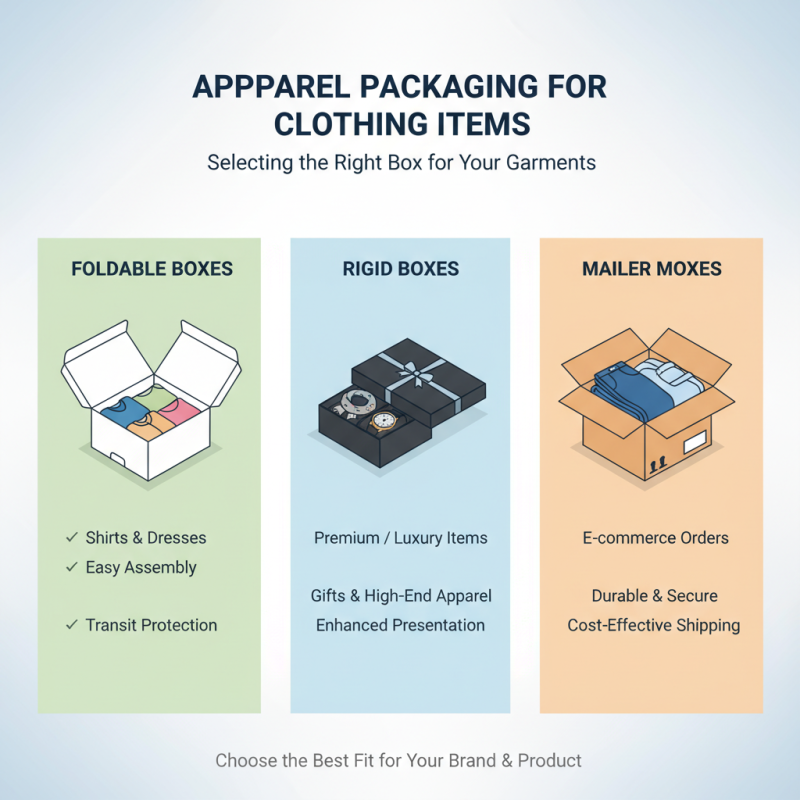
When selecting packaging boxes for clothing items, several types come to mind. Each type serves a specific purpose and fits different needs. For apparel like shirts and dresses, foldable boxes are ideal. They can be easily assembled and come in various sizes. They often protect garments well during transit.
Another option is mailer bags. These lightweight bags are perfect for online orders. They can save on shipping costs and are easy to store. However, they may not provide as much protection for delicate items. Think carefully about the clothing being packaged.
**Tip:** Always consider the fabric type when choosing a box. Certain materials wrinkle easily. A sturdy box could help maintain the garment's original shape.
For larger items, such as coats, consider using rigid boxes. They offer extra protection and durability. However, they take up more space and can be expensive. Reflect on your storage situation before deciding.
**Tip:** Don't forget about eco-friendly options. Sustainable packaging is becoming increasingly important. Using recycled materials not only helps the planet but also appeals to conscious consumers.
Materials to Consider for Clothing Packaging Boxes
When choosing packaging boxes for clothing, the material is crucial. Different materials offer various benefits. Cardboard is widely used because it is sturdy and recyclable. It protects garments well during transport. However, it might not be the most eco-friendly option available.
Plastic bags are lightweight and protect clothes from moisture. They are ideal for casual wear but may not be suitable for luxury items. Consider using biodegradable materials. They are environmentally friendly and can attract eco-conscious customers. This choice reflects social responsibility.
Tips: Always evaluate the cost of materials. Sometimes, cheaper options do not provide the best protection. Investing in high-quality packaging can enhance the customer experience. Also, think about design. Custom packaging can create a memorable unboxing experience. However, keep it practical—too much design may increase costs.
Remember, effective packaging balances cost, durability, and aesthetics. Test different materials to find what works best for your products. Reflect on your choices regularly to ensure they align with your brand values and customer expectations.
Sizing and Fit: Choosing the Right Dimensions for Boxes
When selecting the best packaging box for clothes, sizing and fit play crucial roles. Choosing the right dimensions ensures that your items fit snugly. A well-fitted box prevents movement during transit, which can lead to wrinkles or damage. Consider the thickness of the clothing items. Bulkier items need more space, while lightweight garments can fit in more compact boxes.
A common mistake is assuming all clothes are the same size. Different styles have varying dimensions. For instance, a coat will take up more room than a t-shirt. Measuring your items before selecting a box can help avoid mishaps. It's also essential to consider stackability. If you plan to stack boxes, ensure their dimensions support this without collapsing.
Keep in mind the purpose of the packaging. Are you shipping items or storing them? Different needs may require different box sizes. Boxes that are too large may waste space and resources. Conversely, a box that is too small risks damaging your items. Finding a balance in sizing is key. Sometimes an imperfect fit leads to new ideas, so don't shy away from trial and error.
Branding and Customization Options for Packaging
When choosing packaging for clothes, branding and customization are key factors. A unique design can set your product apart. Think vivid colors or bold graphics. Custom boxes create a memorable unboxing experience. Explore various materials, like recycled options or luxury finishes. Each choice impacts the perception of your brand.
Customizing your packaging allows you to showcase your style. You can add a logo or special messages. However, it's important to balance aesthetics with functionality. A beautiful box might not protect the contents well. Consider the dimensions carefully. Will the box fit the clothing without excessive folding? If not, it could lead to wrinkles.
Remember, imperfections can spark questions. An uneven print or mismatched colors might evoke curiosity. Use these moments to communicate your brand’s story. It’s essential to reflect on whether your packaging aligns with your values. Authenticity resonates with customers. Make your packaging an extension of your brand’s personality.
Sustainability in Clothing Packaging: Eco-Friendly Choices
Sustainability is increasingly essential in clothing packaging. Many brands are now considering eco-friendly options. Using recycled materials can significantly reduce waste. These options often come in various designs and styles. Simple, minimalistic designs can appeal to modern consumers.
Choosing biodegradable packaging is another effective approach. It breaks down naturally and does not harm the environment. However, not all biodegradable materials are created equal. Understanding the material's life cycle is vital. Some might require specific conditions to decompose properly.
Then there's the challenge of durability. Packaging needs to protect products during shipping. Finding a balance between sustainability and strength can be tough. In some cases, using less material may lead to damaged goods. This raises important questions about performance and responsibility. Brands should constantly evaluate their choices.