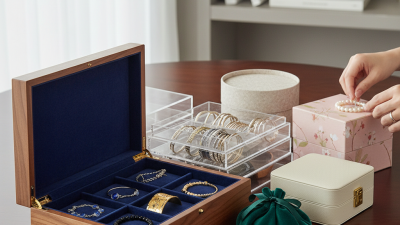
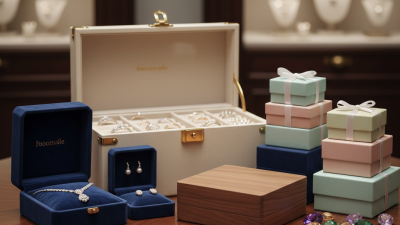
Choosing the best Bracelet Box requires more than attractive colors or a polished logo. The box must protect the jewelry, represent the brand, and create a pleasant opening experience. A delicate chain can tangle inside a loose package. A rigid bangle may need deeper support. Material, structure, lining, closure, and shipping conditions all influence the final choice.
In practical jewelry packaging, velvet-lined boxes remain popular because they feel soft and premium. Cardboard boxes offer lighter shipping and easier customization. Wood creates a memorable presentation, but it can increase cost and weight. Recycled paper options may support sustainability goals, although their surfaces can show dents or absorb moisture. There is no universal winner. It depends.
A reliable evaluation should examine more than appearance. Check whether the bracelet stays centered after gentle shaking. Inspect the hinge, ribbon, insert, and closure after repeated use. Test the package under realistic storage and delivery conditions. A box that looks beautiful on a showroom table may fail inside a crowded shipping carton. That lesson is easy to overlook.
This guide compares common Bracelet Box styles by protection, presentation, customization, cost, and environmental considerations. It also considers customer expectations and brand positioning. Luxury retailers may value magnetic closures and textured paper. Handmade sellers may prefer compact, flexible packaging. Online brands should prioritize low weight and secure transit. The perfect option may not exist. A thoughtful compromise often performs better than an impressive but impractical design.
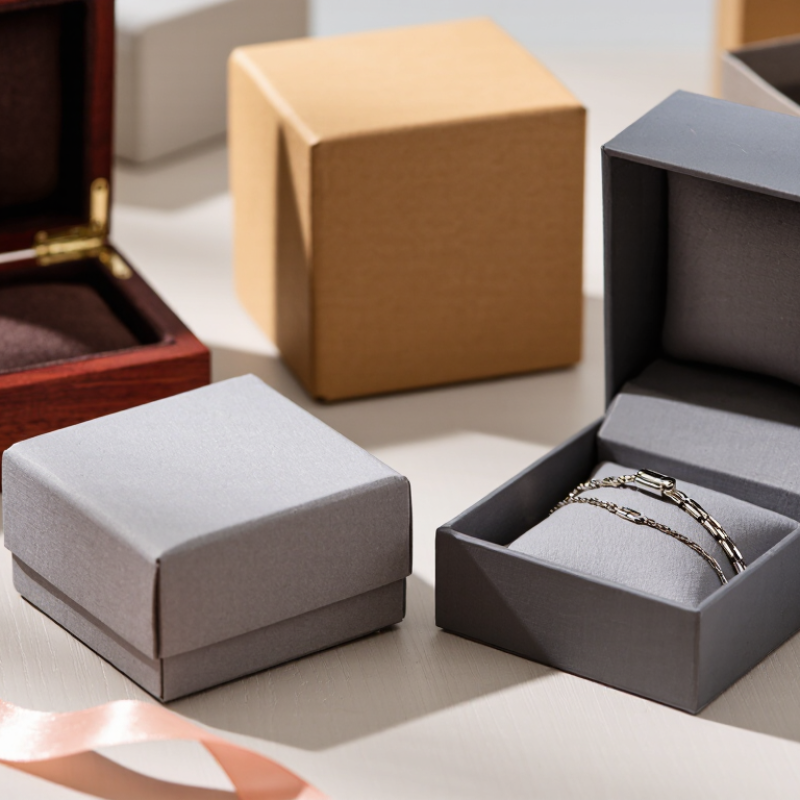
Choosing a bracelet box starts with its packaging purpose, not appearance alone. Rigid hinged boxes protect delicate chains during storage and gifting. Drawer boxes create a slower, more premium opening experience. Folding paperboard boxes reduce shipping volume and suit higher-volume orders. Soft pouches fit inside them, but they provide limited crush protection.
Material decisions now carry measurable commercial weight. Smithers’ report, The Future of Sustainable Packaging to 2028, projects the sustainable packaging market will reach about $178.5 billion by 2028. This supports recyclable paperboard, molded pulp inserts, and water-based coatings. However, paper is not automatically sustainable. A heavily laminated box may be difficult to recycle. That detail is often missed.
McKinsey’s 2023 global packaging survey found that consumers increasingly consider environmental impact, recyclability, and material reduction when evaluating packaging. For bracelets, an insert should hold the clasp firmly without pressing the links. A 2–3 millimeter gap can prevent scratching. Test the box after vibration, compression, and humidity exposure. Small details matter. A beautiful box that opens during delivery fails its basic job. I would also question oversized designs; they look impressive, yet waste space and increase transport volume. In practice, the best choice balances protection, opening experience, material efficiency, and the bracelet’s actual weight.

Comparing common bracelet box types by their practical packaging uses. The 1–5 index reflects structural characteristics such as protection, presentation, storage efficiency, and material efficiency.
Rigid hinged boxes provide the strongest protection and premium presentation, making them suitable for luxury or gift packaging. Drawer boxes offer a balanced combination of presentation and storage efficiency. Foldable paperboard boxes are lightweight and material-efficient, while velvet pouches are compact and flexible but provide less structural protection.
The best bracelet box balances protection, presentation, and sustainability. Material choice controls that balance. A rigid paperboard box can resist compression during shipping and create a refined opening experience. Recycled paperboard adds a responsible story, but its surface may show fibers or slight color variation. That is not always a flaw. It can make the package feel honest and tactile.
Inside, the bracelet needs stability. A soft insert prevents scratches, tangling, and movement during delivery. Molded pulp offers good support and can reduce plastic use, although its texture may feel less luxurious. Cotton or paper-based padding feels warmer, but it must remain dry and firmly fitted. Avoid excessive foam and glossy laminates when possible. They often complicate recycling. I have seen attractive boxes fail because the insert shifted after repeated handling. Appearance cannot replace testing.
Tips: Check the box after drops, compression, and humid storage. Confirm that closures stay secure without damaging the bracelet. Choose water-based inks and simple material combinations when practical. Ask whether local recycling facilities accept the finished package, not just one component. Small details matter. A slightly imperfect texture may be a better sustainability choice than a flawless plastic coating.
What Is the Best Bracelet Box for Jewelry Packaging?
Matching Bracelet Size, Shape, and Style to the Right Box
The best bracelet box matches the jewelry’s size, shape, and visual character. Measure the bracelet when it is fully closed, including clasps and charms. A slim chain needs a narrow insert, while a rigid cuff needs wider clearance. Never force it. A crushed bracelet looks careless.
From packaging testing, I have found that interior depth matters as much as length. The bracelet should rest securely without pressing against the lid. Velvet or soft fabric can protect polished surfaces, but loose material may hide delicate details. A firm insert suits structured designs, while a cushioned interior feels better for lightweight, flexible pieces. The box should support the jewelry, not compete with it.
Tips: Place the bracelet inside and close the lid gently. Check for movement by tilting the box slightly. Leave room for a small care card, but avoid excessive space. Match the outer finish to the bracelet’s style; a simple design often benefits from a clean, quiet presentation. I once approved a box that looked elegant but allowed the clasp to shift during handling. That mistake changed my approach. Appearance matters, but practical protection must come first. Some packaging choices still need testing under real shipping conditions.
What Is the Best Bracelet Box for Jewelry Packaging?
The best bracelet box protects the piece while making it easy to present. Interior lining matters more than many buyers expect. Soft velvet creates a premium feel, but it can collect dust and loose fibers. Microfiber offers a smoother surface and reduces light scratches. Foam inserts hold a bracelet firmly, although tight slots may press delicate chains. I recommend testing the lining with the actual bracelet, not a sample of similar size.
Closures should match the product and customer experience. A magnetic closure opens smoothly and feels refined. However, weak magnets can cause accidental opening during delivery. Ribbon ties look attractive but take longer to use. Hinged lids provide structure and consistent alignment. Check the hinge after repeated opening; inexpensive hardware can loosen surprisingly fast. Small details matter.
Tips: Measure the bracelet with its clasp closed. Leave enough space for a protective pouch. Test the box during shipping simulations. Customization can include color, logo placement, foam shape, and surface texture. Keep printed details readable at a small size. Embossing adds depth, but it may disappear on heavily textured paper. A fully customized box may look impressive, yet excessive decoration can distract from the jewelry. I have seen elegant designs become less practical after adding too many layers. Reconsider the details before final production.
| Box Format | Interior Lining | Common Closure | Protection Level | Customization Options | Sustainability Profile | Typical Cost Position | Best Suited For |
|---|---|---|---|---|---|---|---|
| Rigid Lift-Off Box | Velvet or microfiber insert with a bracelet groove | Removable lid | High; rigid walls help resist compression and the insert limits movement | Paper wrap, foil stamping, embossing, printed sleeve, custom insert color | Paper-based outer construction can be recyclable when coatings and mixed materials are limited | Medium to high | Premium retail presentation and gift packaging |
| Book-Style Magnetic Box | Foam core covered with satin, velvet, or microfiber | Concealed magnetic flap | High; secure closure and fitted cushioning provide good transit support | Full-surface printing, textured paper, ribbon pull, logo placement, custom die-cut insert | Magnetic components and laminated coverings may complicate recycling | Medium to high | Luxury collections and memorable unboxing experiences |
| Drawer-Style Box | Satin or microfiber pad with a removable bracelet cushion | Sliding drawer with ribbon pull | Medium to high; good structure, although the drawer needs a secure fit | Printed outer wrap, ribbon color, drawer lining, foil details, window sleeve | Can be recyclable if produced with paperboard, paper ribbon, and water-based finishes | Medium | Boutique packaging and layered product presentation |
| Folding Paperboard Box | Paperboard insert, molded pulp, or thin foam pad | Tuck flap or locking tab | Medium; suitable for normal handling when the bracelet is secured by an insert | Offset printing, spot color, die-cut shapes, matte or gloss finish, printed interior | Generally favorable when made from recyclable paperboard without plastic windows or laminates | Low to medium | High-volume retail orders and cost-conscious packaging programs |
| EVA Foam Travel Case | Molded EVA base with microfiber or polyester lining | Zipper closure | Very high; resists impact, moisture, and repeated handling | Molded compartments, zipper color, printed panel, debossed mark, custom dimensions | Durable and reusable, but EVA and textile components are not usually easy to recycle together | Medium to high | Travel jewelry, subscription shipments, and long-term storage |
| Molded Pulp Box | Molded pulp cradle or paper-wrapped insert | Friction-fit lid or paper sleeve | Medium; effective for lightweight bracelets but less resistant to moisture and crushing than rigid cases | Embossed logo, dyed pulp, custom mold, paper label, printed sleeve | Usually favorable because molded pulp is fiber-based and may be recyclable or compostable depending on additives | Medium | Eco-focused collections and minimalist packaging designs |
| Soft Pouch with Presentation Sleeve | Cotton, microfiber, satin, or recycled polyester pouch | Drawstring, snap button, or ribbon tie | Low to medium; protects against scratches but provides limited crush protection | Fabric color, woven label, screen print, embroidery, sleeve artwork, cord color | Reusable and lightweight; environmental performance depends on fabric type and mixed components | Low to medium | Casual jewelry, promotional sets, and lightweight shipping formats |
| Window Gift Box | Velvet, satin, microfiber, or molded paper insert | Tuck flap, hinged lid, or magnetic closure | Medium to high; depends on board thickness and window construction | Window shape, printed artwork, foil stamping, insert color, sleeve, seasonal graphics | Plastic windows and laminated boards can reduce recyclability; paper windows offer a more fiber-based alternative | Medium | Retail displays where product visibility is important |
What Is the Best Bracelet Box for Jewelry Packaging?
Choosing a bracelet box starts with the total cost, not the unit price. A low-cost box may need extra tissue, labels, or protective wrapping. Those additions can quietly raise your packaging budget. Compare the complete packing cost. Include inserts, storage space, labor, and replacement rates. A rigid paperboard box often offers a balanced option for everyday jewelry shipments. Recycled materials can support a responsible image, but their surfaces may vary slightly.
Branding should feel intentional. A logo on the lid is useful, but it should not overpower the bracelet. Consider foil details, printed patterns, sleeve colors, or a short message inside. Test the design under warm and cool lighting. Some colors look different in photographs. That matters for online sellers. Keep the box easy to open. A beautiful package that damages nails or frustrates customers needs reconsideration.
Shipping needs deserve equal attention. Measure the packed box, not the empty one. Check whether the lid shifts during handling. Place a sample in a shipping carton and test movement with paper cushioning. Corners often suffer first. A snug insert can reduce scratches, yet an overly tight fit may bend delicate chains. I once underestimated storage volume when comparing box sizes. The smaller box seemed smarter, but its unusual shape wasted shelf space. That mistake is worth remembering. Choose packaging that protects the bracelet, supports your visual identity, and remains practical at scale.