2026 Best Packaging Box Trends You Should Know?
In the evolving world of retail, the Packaging Box plays a crucial role in capturing consumer attention. 2026 is set to showcase exciting trends that every business should consider. Eco-friendly designs are gaining momentum as sustainability becomes a priority. Packaging Boxes made from recyclable materials show responsibility and care for the environment.
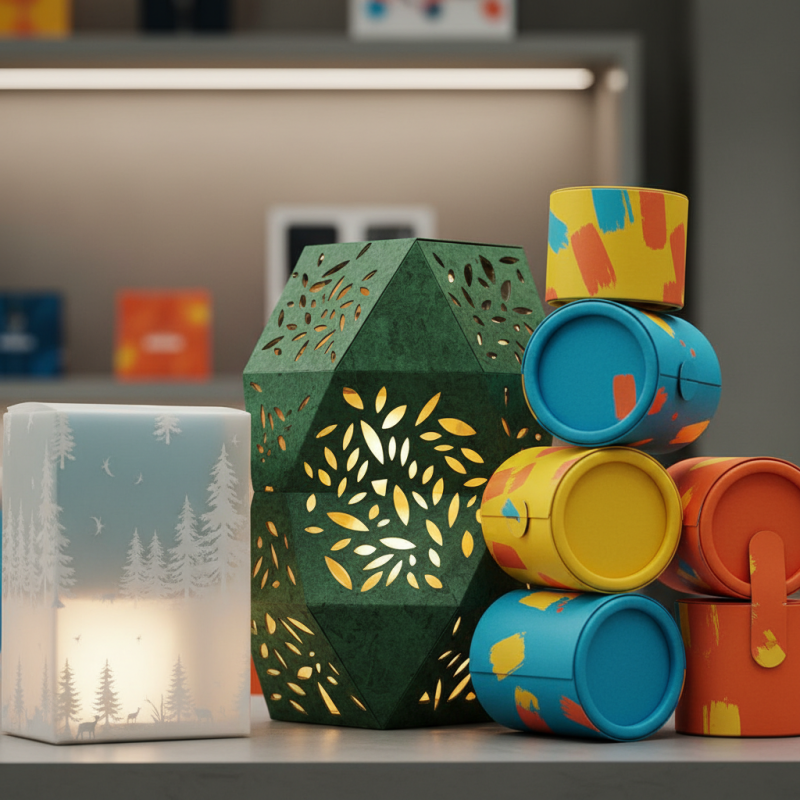
Moreover, bold colors and innovative shapes will dominate the market. These designs can elevate brand identity and create lasting impressions. However, some brands still struggle to align creativity with functionality. It's essential to rethink how packaging serves its purpose without compromising on aesthetics.
As we approach 2026, the emphasis on storytelling through Packaging Boxes will grow. Consumers are drawn to narratives that make products feel unique. This can be a challenge for many companies. Striking a balance between visual appeal and practical use might require more effort than expected. Embracing these trends can lead to significant growth, but brands must reflect on their current strategies to adapt successfully.
Emerging Materials: Eco-Friendly Choices in Packaging Boxes for 2026
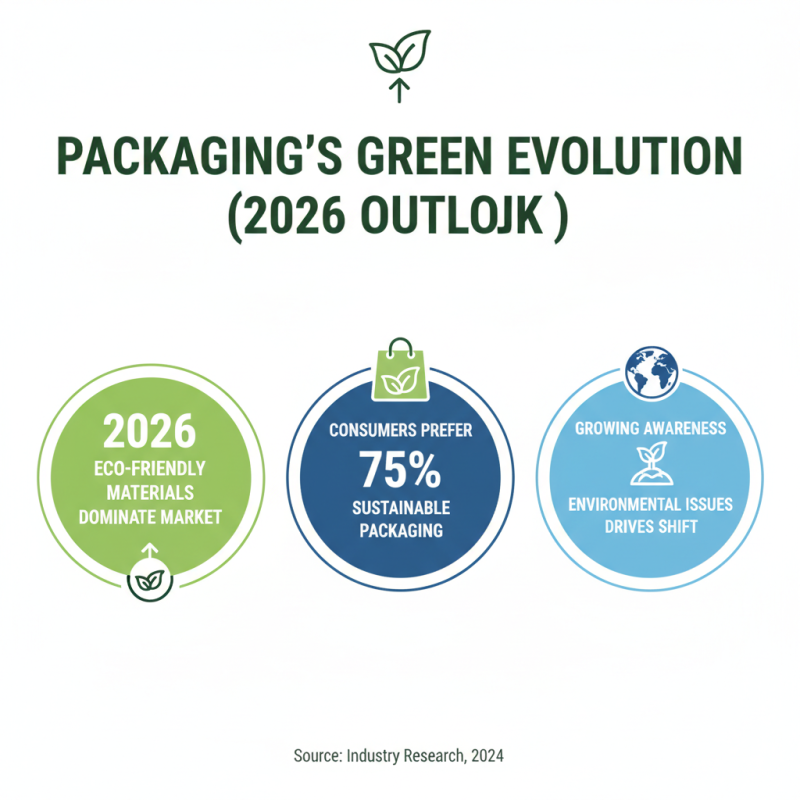
The increasing focus on sustainability is reshaping the packaging industry. In 2026, eco-friendly materials will dominate the market. Research shows that 75% of consumers prefer brands using sustainable packaging. This shift reflects a growing awareness of environmental issues.
Biodegradable materials are gaining traction. Companies are experimenting with plant-based plastics and recycled paper. A recent report indicates that the biodegradable packaging market is expected to reach $18 billion by 2027. Yet, the challenge remains. Many consumers are still unaware of what eco-friendly options mean. This presents a hurdle for brands aiming to communicate their sustainable practices effectively.
The move toward sustainable packaging isn’t without its obstacles. Some eco-friendly materials can be costlier. This creates tension for businesses balancing sustainability with profit margins. Furthermore, not all biodegradable products break down efficiently. Companies need to address these imperfections through innovation and consumer education. Developing better materials and awareness campaigns can close the gap in understanding.
Innovative Designs: Trends Shaping the Aesthetics of Packaging Boxes
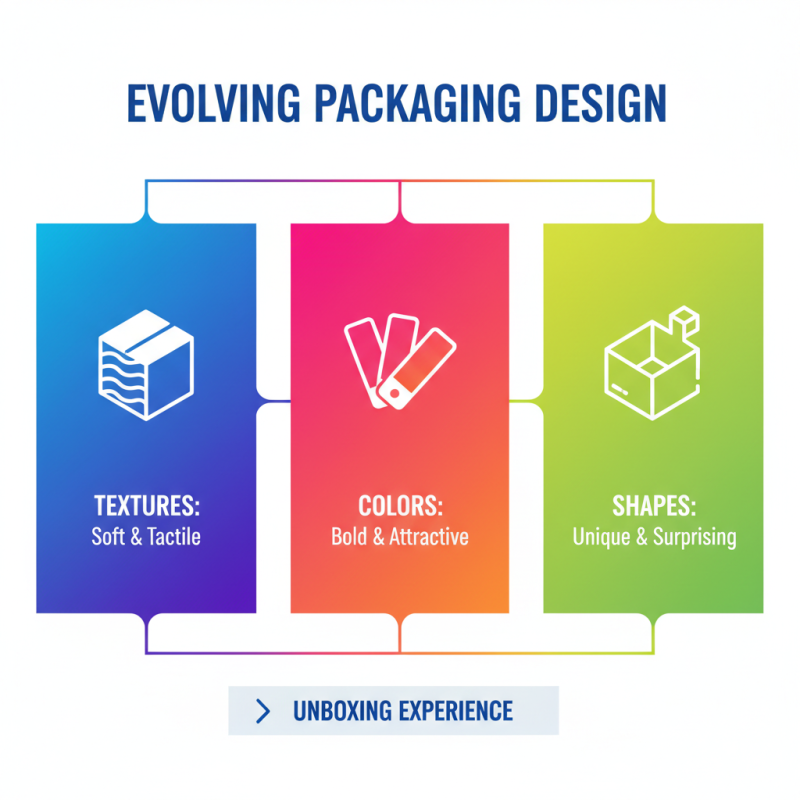
Packaging design is evolving rapidly. Innovative designs are driving the aesthetics of packaging boxes, making them more appealing. Textures, colors, and shapes are crucial elements. Bold colors attract attention, while soft textures invite touch. Unique shapes can surprise consumers, making unboxing an experience.
Sustainability is becoming a major trend. Many consumers prefer eco-friendly materials. Designers are challenged to balance aesthetics with sustainability. This often leads to unpolished designs that feel real and authentic. Simple forms, earthy colors, and minimalistic designs convey a strong message. However, achieving this balance is not always easy.
Emphasizing storytelling in packaging is another important trend. Packaging now tells a story about the product inside. This can create an emotional connection. Some designs are overly complex and may confuse consumers. Brands should reflect on how their packaging communicates. Ultimately, packaging is both an art and a science, requiring ongoing iteration and reflection.
Smart Packaging: The Role of Technology in Modern Box Designs
In recent years, smart packaging has become a game changer in box design. Technology plays a crucial role in enhancing user experience and sustainability. For instance, QR codes on packaging can lead consumers to detailed product information. This interactivity creates engagement. Moreover, smart sensors can monitor product conditions. They ensure that food stays fresh longer.
Tips: Consider adding dynamic elements to your packaging. Something as simple as a temperature indicator can enhance trust. Also, explore innovative materials that are eco-friendly. Not all materials suit every product, so testing is key.
Despite these advancements, challenges exist. Some consumers still find smart features confusing. Educating your audience is essential. Packaging should not only attract but also inform. A balance between beauty and functionality is necessary. Reflect on how well your designs support both aspects.
Customization and Personalization: Meeting Consumer Demands in Packaging
Customization and personalization in packaging have become essential in meeting modern consumer demands. According to a report by Packaging Insights, 72% of consumers prefer personalized products. This trend is increasingly shaping how brands approach packaging design. Simple features, like custom colors and unique shapes, can make a big impact. They create a connection between the consumer and the product.
Consumers are also drawn to sustainable packaging solutions. A 2023 study showed that 63% of consumers are willing to pay more for eco-friendly packaging. Brands that consider environmental impact can stand out. However, finding a balance between customization and sustainability poses a challenge. Some companies might compromise on materials to meet consumer desires.
The focus on personalized packaging isn't without its pitfalls. While unique designs can enhance appeal, they may not always align with efficiency goals. Moreover, over-segmentation can confuse consumers rather than attract them. As brands innovate, they must reflect on these hurdles and adapt accordingly, embracing feedback and evolving strategies.
2026 Best Packaging Box Trends: Customization and Personalization
This chart illustrates the increasing demand for customization and personalization in packaging, showcasing the percentage of consumer preference over recent years.
Sustainability Practices: Reducing Environmental Impact in Packaging Solutions
Sustainability in packaging is more crucial than ever. Companies are increasingly focusing on reducing their environmental impact. Biodegradable materials are becoming popular. These materials break down naturally, lessening landfill waste. It's essential to choose options that are not only eco-friendly but also effective.
Some packaging solutions still rely heavily on plastics. This is a problem. We see a push for recycled content in packaging. Consumers are more aware of their choices. Sadly, not all products meet sustainable standards. The journey toward eco-friendly packaging isn’t perfect.
Innovative designs can reduce excess waste. Minimalist packaging often uses less material. This can lead to lower shipping costs too. Remember, real progress takes time. Evaluating packaging choices regularly is vital. Small changes can create a significant impact over time. Sustainable practices should be a long-term goal, not just a trend.